

Losing a tooth can seem like something you can deal with later, especially if it’s toward the back of your mouth. However, delaying treatment can affect more than the appearance of your smile. For patients looking for a dentist in Falcon, understanding what can happen after tooth loss can help you make a more informed decision about replacement options.
A missing tooth can change the way your remaining teeth work together. Over time, nearby teeth may begin shifting into the open space. This can affect your bite and may make chewing less comfortable. The American Dental Association notes that missing teeth can also contribute to bone loss around the area and may affect how you speak or eat.
Why Does a Missing Tooth Need to Be Replaced?
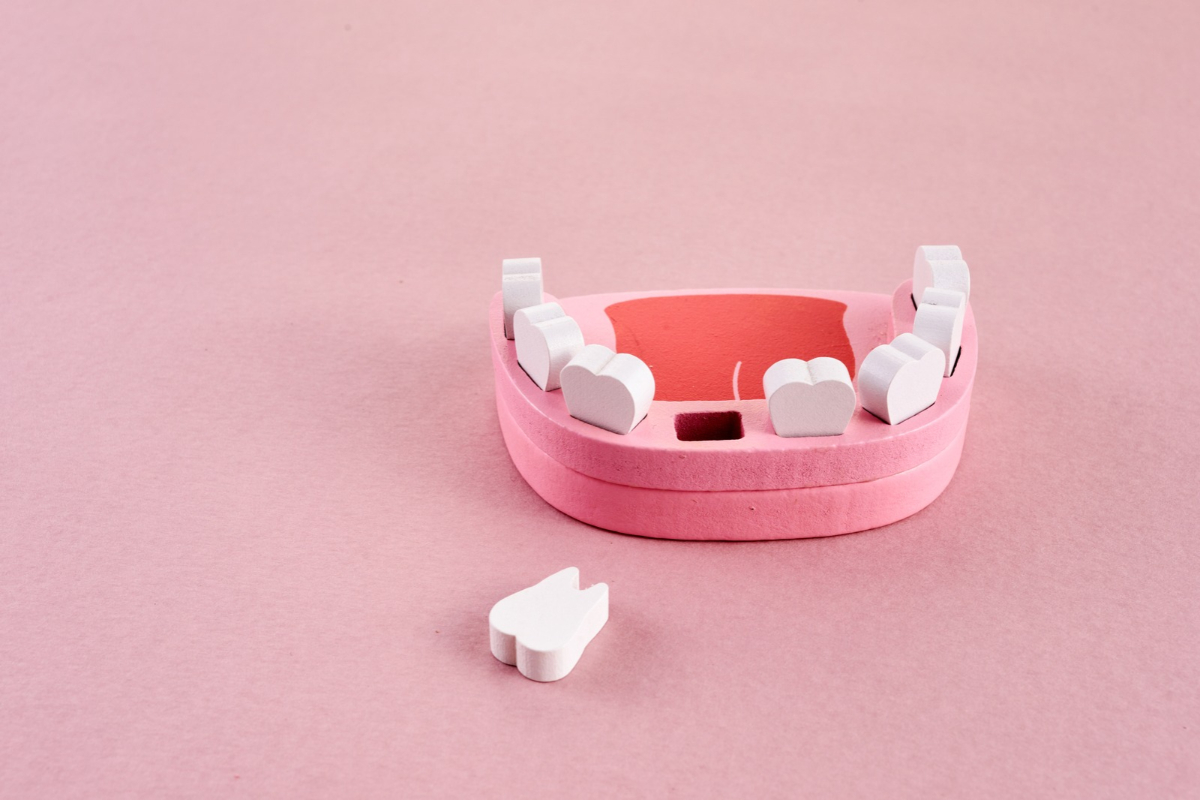
Your teeth are designed to work together. When one tooth disappears, surrounding teeth can change because there is no longer a tooth occupying that space.
The longer the space remains open, the more noticeable these changes may become. A nearby tooth can move toward the empty space, while the tooth above or below it may also shift because it no longer contacts its opposing tooth.
This does not mean every person with a missing tooth will experience the same problems. Your age, oral health, location of the missing tooth, bite, gum health, and other factors all matter. That is why an evaluation with a dentist in Falcon is important before deciding whether and how to replace the tooth.
Your Remaining Teeth May Shift
One of the most common concerns after tooth loss is movement of the surrounding teeth.
Imagine a row of books with one book removed from the middle. The remaining books can gradually lean or move into the empty space. Something similar can happen in your mouth.
When teeth shift, your bite may change. Food can also become trapped in areas that were previously easier to clean. That can make maintaining good oral hygiene more challenging and may increase the importance of regular dental visits and careful brushing and flossing.
A changed bite does not automatically mean you will develop a serious dental problem, but it is one reason dentists often recommend discussing tooth replacement instead of simply ignoring the missing tooth.
Bone Loss Can Occur Around a Missing Tooth
A natural tooth root stimulates the jawbone. When the tooth is lost, that stimulation is no longer present in the same way.
The American Dental Association explains that bone loss can occur around a missing tooth. The amount can vary from person to person and depends on several factors.
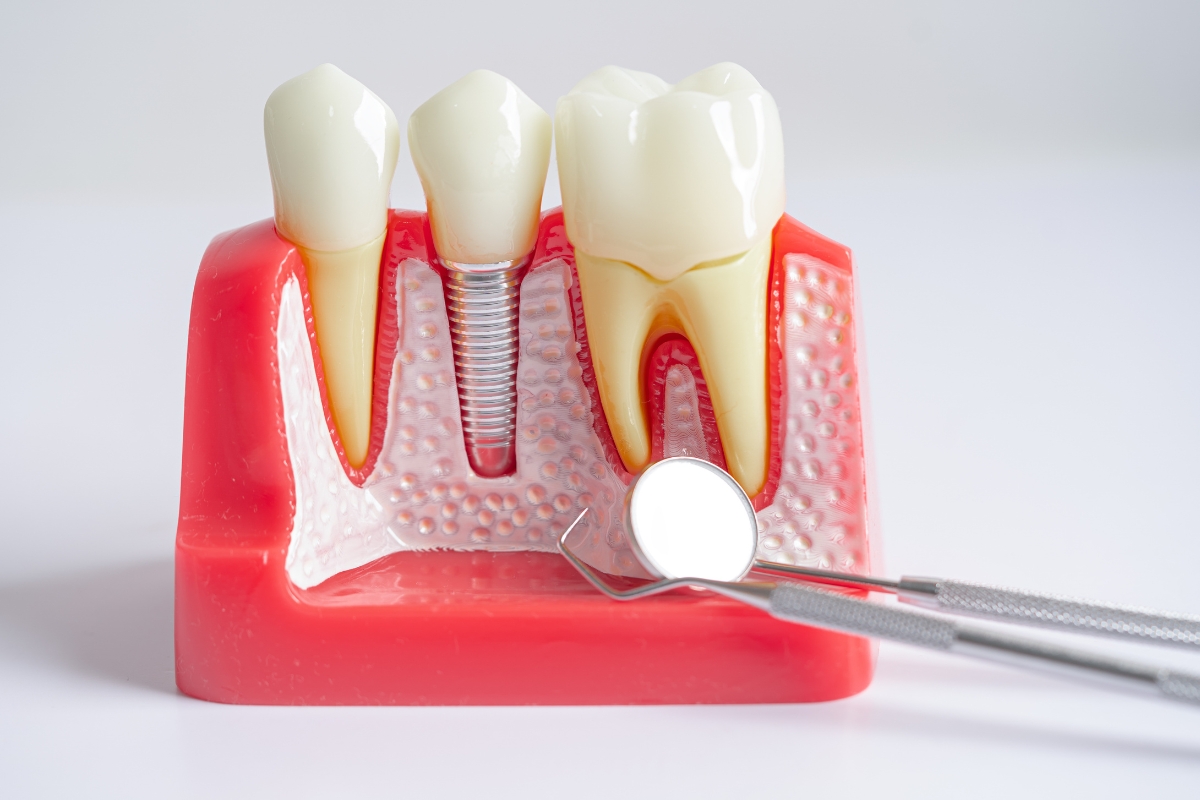
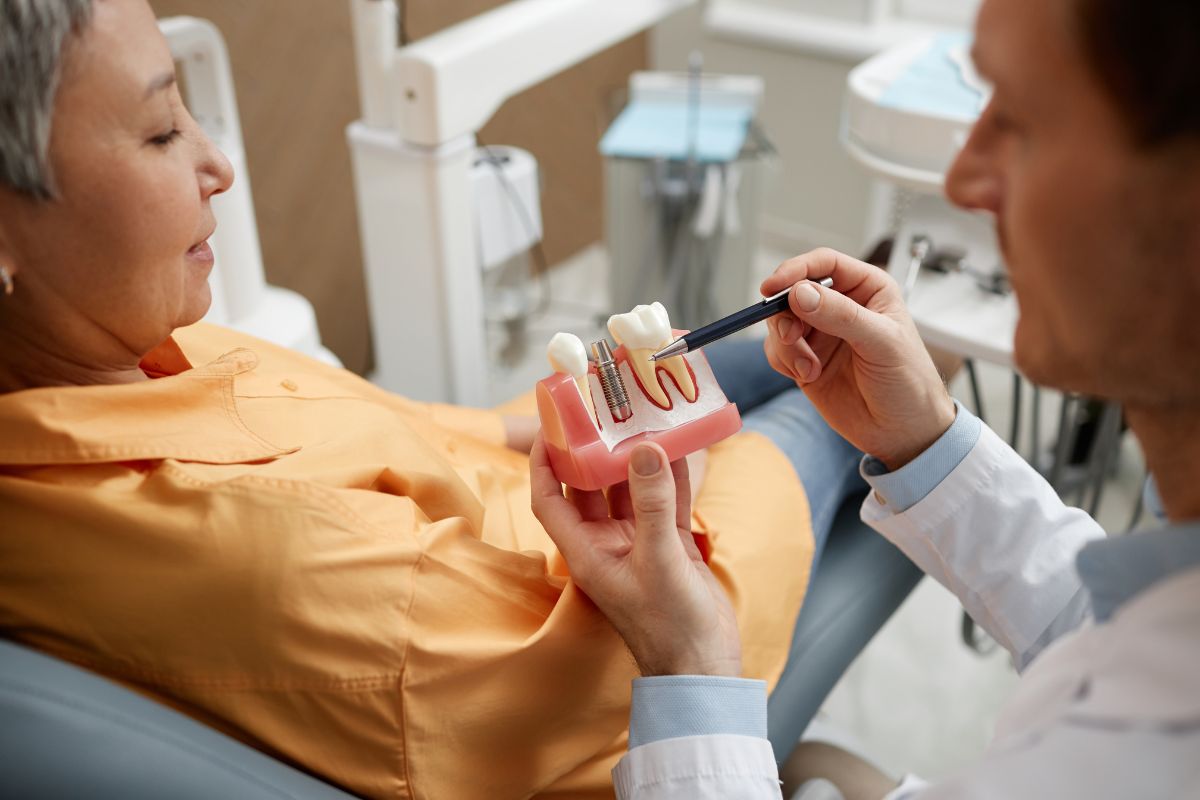
This is one reason dental implants are often discussed when patients are considering long-term tooth replacement. A dental implant is placed into the jawbone and acts as an artificial tooth root. Once the implant integrates with the bone, a replacement tooth can be attached to restore function and appearance.
Dental implants are not automatically the right choice for everyone. Your dentist needs to evaluate your oral health, gum condition, available bone, medical history, and other factors before recommending treatment.
Eating and Speaking May Become More Difficult
A missing tooth can affect everyday activities that you may normally take for granted.
Depending on which tooth is missing, you may notice that chewing certain foods becomes less comfortable. Front tooth loss may also affect speech in some situations.
You may begin favoring one side of your mouth when eating. Over time, that can change how your teeth and jaw work together.
The goal of replacing a missing tooth is not only to improve appearance. A properly planned restoration can also help restore normal oral function.
What Are Your Options for Replacing a Missing Tooth?
No single replacement option works for every patient. Your dentist may discuss several choices depending on your needs.
Dental Implants
Dental implants are designed to function similarly to natural tooth roots. At this practice, implant treatment involves placing an implant into the jawbone, allowing time for the bone to integrate with it, and then attaching a custom restoration such as a crown, bridge, or denture.
For a single missing tooth, an implant-supported crown may provide a stable and natural-looking replacement.
Dental Bridges
A dental bridge can replace a missing tooth by using neighboring teeth for support. Bridges may be appropriate for some patients, depending on the health and position of the surrounding teeth.
Dentures
Partial dentures can replace one or several missing teeth. They may be considered when multiple teeth need replacement or when other treatment options are not appropriate.
Your dentist can compare these options with you and explain the advantages and limitations of each one.
Is It Ever Too Late to Replace a Missing Tooth?
In many cases, people who have lived with a missing tooth for months or even years can still discuss replacement options with a dentist.
However, waiting may affect what is required before treatment can begin. Changes in the surrounding teeth, gum condition, or available bone may influence your treatment plan.
That does not mean you should assume that dental implants are no longer possible. It simply means an evaluation is important. Your dentist can examine the area and determine what options are realistic for your situation.
How Can You Protect Your Smile After Tooth Replacement?
Replacing a missing tooth is only part of maintaining your oral health. Daily care still matters.
Brush your teeth twice a day with fluoride toothpaste and clean between your teeth every day. Continue regular dental examinations and professional cleanings as recommended.
If you receive a dental implant, follow your dentist’s instructions carefully during healing and continue maintaining the surrounding gums and teeth. Avoid tobacco products because they can interfere with oral health and healing.
Regular dental care can also help identify problems with your natural teeth before they become serious.
When Should You Talk to a Dentist About a Missing Tooth?
If you have been putting off replacing a missing tooth because it does not hurt, that does not necessarily mean you should ignore the situation. Tooth loss can affect your bite, chewing, surrounding teeth, and the bone in the area.
A consultation gives you the opportunity to understand what is happening and learn which replacement options may fit your needs. The sooner you understand your options, the easier it may be to plan appropriate treatment.
A missing tooth may not cause immediate pain, but waiting too long can allow changes to develop in the surrounding teeth, bite, and jawbone. If you have been living with tooth loss, a consultation with a dentist in Falcon can help you understand your options and determine whether a dental implant, bridge, or another solution is appropriate. Request an appointment today to take the next step toward restoring your smile and oral function.
Frequently Asked Questions
Can one missing tooth really affect other teeth?
Yes. Neighboring teeth can shift into the open space, and the tooth opposite the missing tooth may also change position. The effect varies depending on the missing tooth’s location and your individual bite.
How long can I wait before replacing a missing tooth?
There is no universal timeline because every situation is different. However, it is generally better to have the area evaluated rather than waiting indefinitely. Delaying treatment may allow additional changes to develop.
Are dental implants the only way to replace a missing tooth?
No. Dental implants, bridges, and dentures can all replace missing teeth in appropriate situations. Your dentist can help determine which option fits your oral health and treatment goals.
Can I get a dental implant years after losing a tooth?
Possibly. Your dentist will need to evaluate the area, including the available bone and surrounding tissues. Some patients may require additional treatment before an implant can be placed.
What happens during a missing tooth consultation?
Your dentist will examine your mouth and discuss your dental history, symptoms, goals, and replacement options. Imaging may also be recommended to evaluate the tooth area and surrounding bone.