
Bridging the Gap to a Better Smile
Dentures provide a dependable way to replace lost natural teeth and can be crafted from acrylic resin or lightweight metal alloys. Bridges, by contrast, span the gap between healthy teeth to complete your smile. Both appliances can gain support from natural suction or special adhesives, and each can be removed for easy daily cleaning. Restoring missing teeth isn't just about appearance — it also helps maintain proper bite alignment and prevents surrounding teeth from shifting out of place.
A missing tooth can interfere with chewing, speech, and self-confidence — but we can help. Whether you need a full denture, a bridge, or a single replacement tooth, East Side Modern Dentistry always emphasizes lifelike appearance, precise fit, and everyday comfort. Our team takes the time to understand your goals and recommends the solution that best fits your oral health, lifestyle, and budget.
Replacing Missing Teeth With Dentures and Bridges
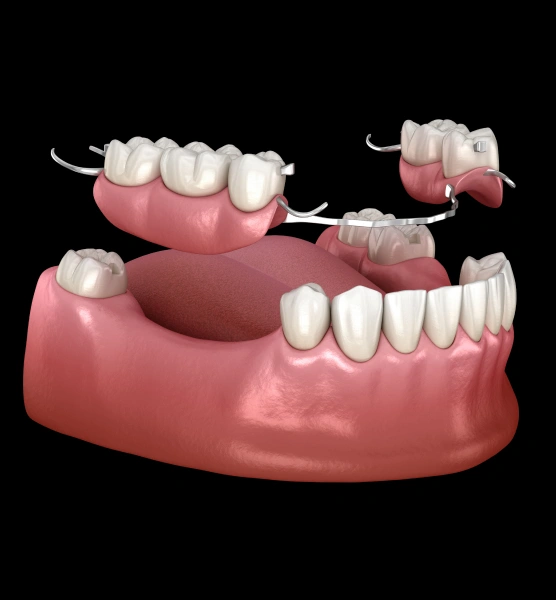
Dentures and bridges serve as two main prosthetic options when teeth are lost. Dentures — often called false teeth — are removable appliances that function much like natural teeth. Made chiefly from acrylic, they are custom-molded to fit the contours of your mouth. We typically suggest dentures for patients who have lost most or all of their teeth because of decay, gum disease, or trauma. Modern dentures are more comfortable, natural-looking, and durable than ever before, making them a practical and confidence-restoring solution for many patients.
Bridges, which we also deliver, can fill a space left by one or several missing teeth. A bridge consists of artificial teeth anchored by crowns placed on the natural teeth flanking the gap. Usually fabricated from porcelain or ceramic, bridges are color-matched to blend with surrounding enamel. Because they are fixed in place, bridges offer a stable, low-maintenance solution that closely mimics the feel of natural teeth.
Dentures are generally more affordable and simple to remove for cleaning; however, they may slip or feel awkward while eating or talking. Bridges cost more than dentures yet provide greater stability and a more natural lock. They do require shaping the neighboring teeth and can be a bit trickier to clean. Our team will walk you through the pros and cons of each option so you can make a fully informed decision.
How to Choose Between a Dental Bridge and Denture
Choosing the right option depends on several considerations:
- Number of Missing Teeth: A bridge often suits patients missing just one or a few teeth, while dentures can be preferable when many or all teeth are absent.
- Location of Missing Teeth: Bridges tend to look most natural when gaps are in the front, whereas dentures may give better chewing support for multiple missing molars.
- Oral Health: If your remaining teeth and gums are strong, a bridge might be ideal. Extensive gum problems or decay can make dentures the safer choice.
- Lifestyle: For active patients who play sports or want maximum stability, a bridge is less likely to shift. Those seeking simpler upkeep might prefer dentures.
- Cost: Bridges usually carry a higher initial price but may prove cost-effective long-term. Dentures are less expensive up front, though they might need more frequent adjustments.
Benefits of Dentures and Bridges
Replacing missing teeth goes far beyond aesthetics. Here's how dentures and bridges improve your everyday quality of life:
- Restored Chewing Function: Missing teeth make it difficult to eat comfortably and can limit your diet over time. Dentures and bridges restore your ability to chew a wide variety of foods, supporting better nutrition and overall health.
- Improved Speech: Gaps in your smile can affect the way you pronounce certain words and sounds. A properly fitted denture or bridge fills those gaps and helps restore natural, confident speech.
- A Fuller, More Natural Smile: Both restorations are crafted to closely match the appearance of your natural teeth, giving you a complete, balanced smile that looks and feels like your own.
- Prevention of Teeth Shifting: When a tooth is lost, neighboring teeth gradually drift into the space, causing misalignment and bite problems. A bridge or denture fills that gap and keeps surrounding teeth stable in their correct positions.
- Jawbone and Facial Support: Missing teeth can lead to bone loss in the jaw over time, which affects the shape of your face and can cause a sunken appearance. Bridges and dentures help maintain facial structure and support a more youthful profile.
- Long-Lasting, Cost-Effective Solution: With proper care and routine checkups, dentures and bridges are durable, reliable restorations that provide years of function and comfort at a fraction of the cost of more complex procedures.
Call Us to Clear Up Confusion on Bridges and Dentures
Ultimately, selecting between dentures and bridges is personal. A thorough consultation with our team will clarify which option suits your oral health and lifestyle best. We use high-quality materials and proven techniques to ensure your restoration is as comfortable, functional, and natural-looking as possible.
Schedule a visit to East Side Modern Dentistry in Falcon, CO at 719.623.5690, and let our experts determine whether a bridge or denture will bring back your confident smile. We're here to answer your questions, discuss your goals, and help you choose the solution that best fits your needs.