


Losing a tooth or living with a severely damaged tooth is more than a cosmetic concern. It can affect the way you eat, speak, and smile with confidence. While many people delay treatment, hoping the problem will improve on its own, missing teeth rarely get better without professional care. In fact, postponing treatment can lead to bone loss, shifting teeth, and additional oral health complications.
If you have been wondering whether it is time to replace a missing or failing tooth, understanding the warning signs can help you make an informed decision. Dental implants have become one of the most predictable and long-lasting tooth replacement options available today. They are designed to restore both function and appearance while helping preserve your jawbone and overall oral health.
If you are considering Dental Implants in Falcon, this guide explains the common signs that may indicate you are ready for treatment and why seeking care early can make a significant difference.
What Is a Dental Implant
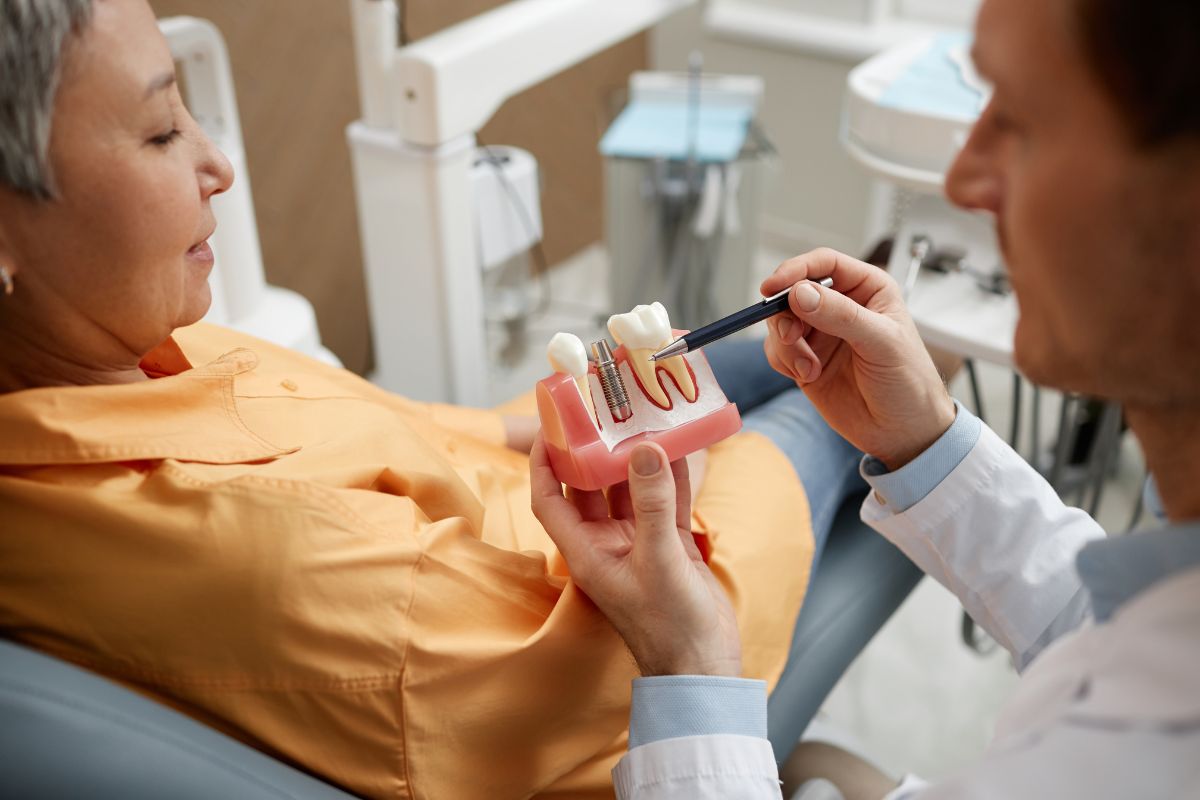
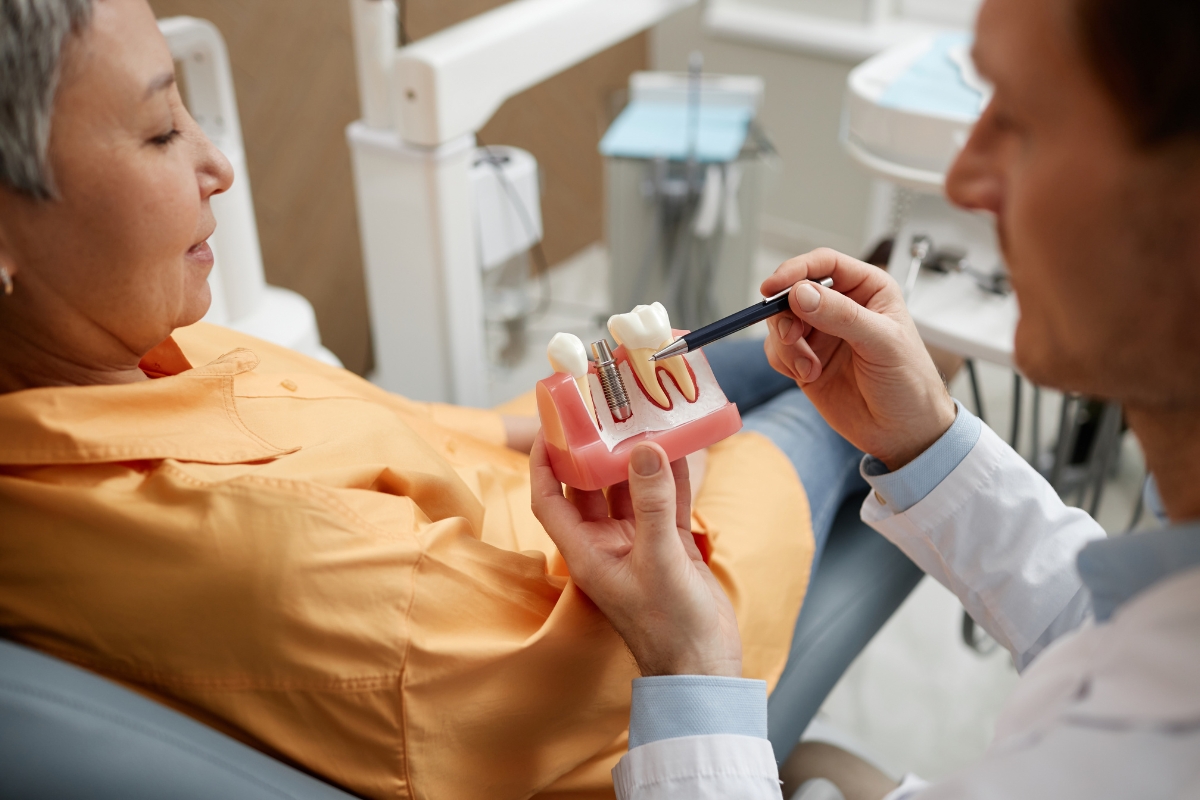
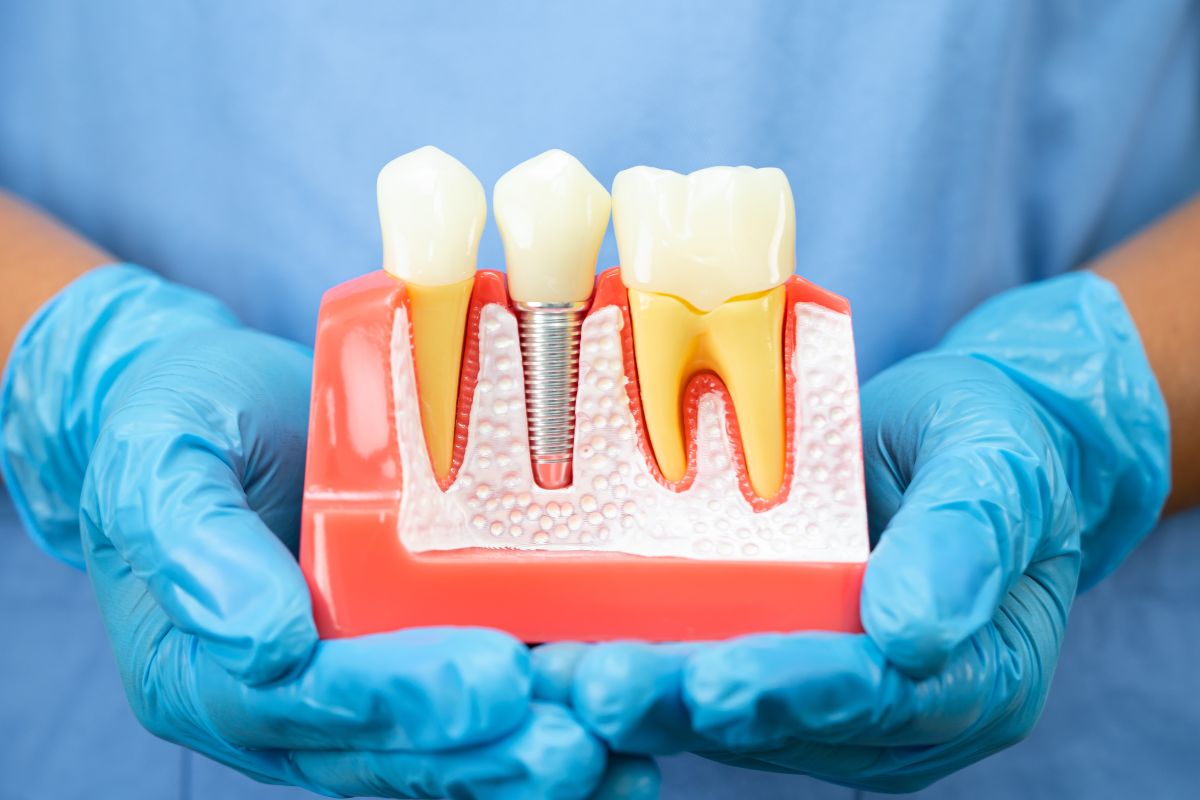
A dental implant is a small titanium post that is surgically placed into the jawbone to replace the root of a missing tooth. Once the implant integrates with the bone through a natural healing process, it supports a custom-made dental crown that looks and functions like a natural tooth.
Unlike removable dentures or traditional bridges, dental implants provide exceptional stability and help maintain the health of your jawbone. With proper care, they can last for many years and often decades.
Signs You May Need a Dental Implant
Not every dental concern requires an implant, but several situations make implants an excellent treatment option.
You Have a Missing Tooth
One missing tooth may not seem like a major problem at first. However, even a single missing tooth can affect your bite and cause neighboring teeth to shift into the space.
Replacing the missing tooth with a dental implant helps restore proper alignment while preventing additional dental complications.
Your Tooth Cannot Be Saved
Modern dentistry focuses on preserving natural teeth whenever possible. However, there are situations where a tooth is too severely damaged by decay, trauma, or infection to be restored with a filling, crown, or root canal.
If extraction becomes the healthiest option, replacing the tooth with an implant can restore full function while protecting surrounding teeth.
You Have Difficulty Chewing
Pain or discomfort while chewing is often a sign that a tooth is compromised. Cracked teeth, advanced decay, or missing teeth can make eating uncomfortable and limit your food choices.
Dental implants restore bite strength, allowing you to enjoy a wider variety of foods with greater comfort and confidence.
Your Denture Feels Loose
Traditional dentures can become unstable over time because the jawbone naturally shrinks after tooth loss. This often leads to slipping, discomfort, and difficulty speaking or eating.
Implant-supported restorations provide significantly greater stability by anchoring directly into the jawbone.
You Notice Changes in Your Facial Appearance
Tooth loss affects more than your smile. Without healthy tooth roots stimulating the jawbone, bone loss begins to occur naturally. Over time, this can create a sunken facial appearance that may make you look older than you are.
Dental implants help preserve bone volume, support your facial structure, and maintain a more youthful appearance.
You Have a Tooth That Keeps Breaking
A tooth that repeatedly fractures despite repairs may no longer have enough healthy structure to support long-term restoration.
If your dentist determines the tooth cannot be predictably saved, replacing it with a dental implant may provide a more durable solution.
Why Replacing Missing Teeth Matters
Many people assume they can live comfortably with a missing tooth, especially if it is located toward the back of the mouth. Unfortunately, untreated tooth loss can create a series of oral health problems.
These may include:
- Shifting neighboring teeth
- Bite misalignment
- Increased risk of gum disease
- Difficulty chewing
- Jawbone deterioration
- Additional tooth wear
- Speech changes
Replacing missing teeth early often helps prevent these issues before they become more complex and expensive to treat.
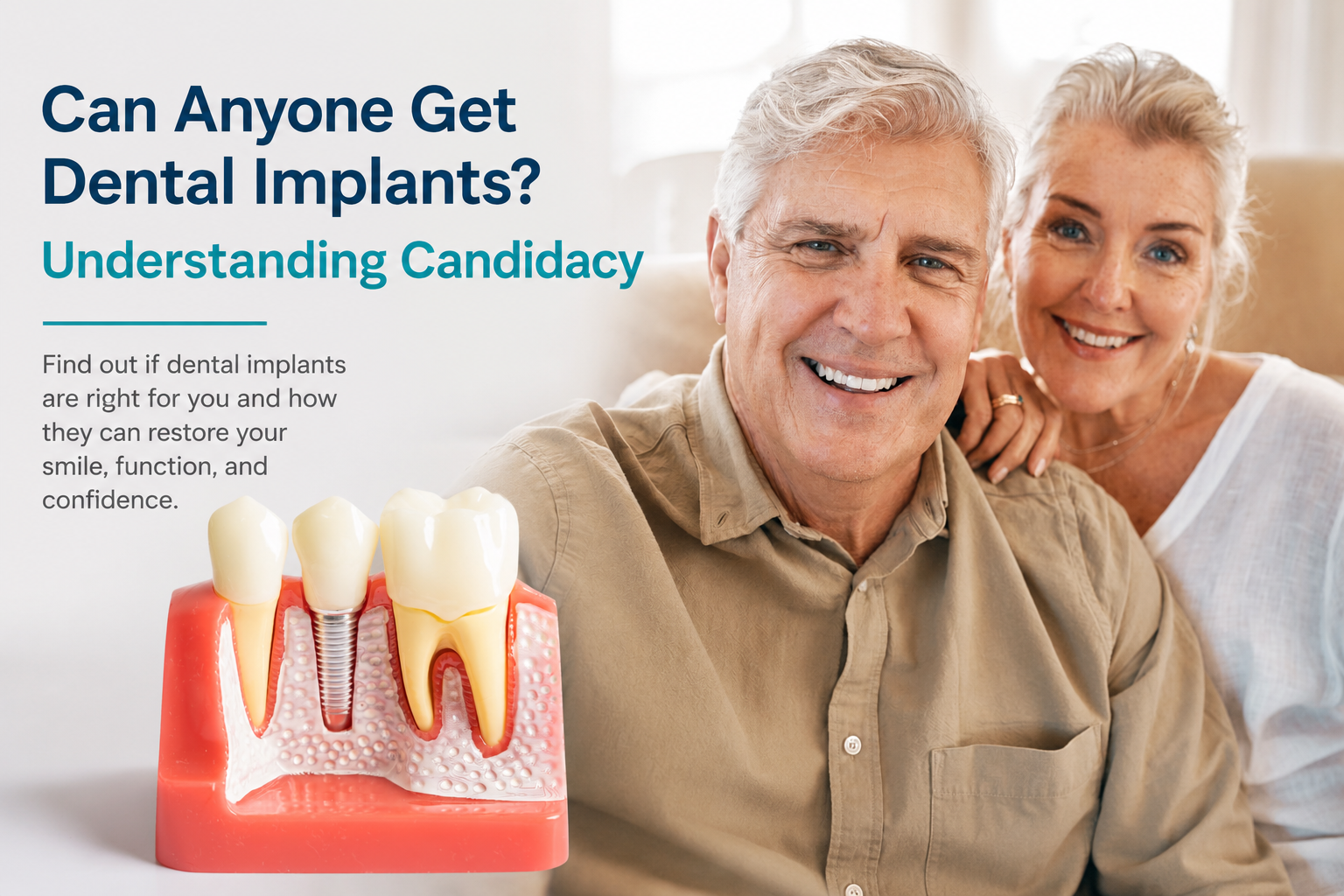
Who Is a Good Candidate for Dental Implants
Many healthy adults qualify for dental implants. During your consultation, your dentist will evaluate several factors, including:
- Overall oral health
- Healthy gums
- Adequate jawbone density
- Medical history
- Current medications
- Lifestyle habits such as smoking
Even if you have experienced bone loss, procedures such as bone grafting may make implant treatment possible.
An individual examination is the best way to determine your eligibility.
Benefits of Dental Implants
Dental implants offer several advantages over other tooth replacement options.
Natural Appearance
Each implant restoration is custom-designed to match the color, shape, and size of your natural teeth for a seamless smile.
Long-Lasting Solution
With proper oral hygiene and regular dental visits, implants can provide long-term stability and durability.
Improved Comfort
Because implants become part of your jawbone, they eliminate many of the discomforts associated with removable dentures.
Better Chewing Ability
Implants restore significant bite strength, allowing you to eat many of your favorite foods comfortably.
Jawbone Preservation
One of the greatest benefits of implants is their ability to stimulate the jawbone, helping reduce bone loss after tooth extraction.
Confidence to Smile
Many patients report improved confidence when smiling, speaking, and interacting socially after implant treatment.
What to Expect During the Dental Implant Process
Understanding the treatment process can help reduce anxiety and prepare you for each step.
Initial Consultation
Your dentist performs a comprehensive examination, digital imaging, and treatment planning to determine whether implants are appropriate.
Tooth Removal if Necessary
If a damaged tooth is still present, it may need to be gently extracted before implant placement.
Implant Placement
The titanium implant is carefully placed into the jawbone under local anesthesia.
Healing Period
Over the next several months, the implant naturally fuses with the surrounding bone through a process called osseointegration.
Final Restoration
Once healing is complete, a custom dental crown is attached to the implant, restoring your smile and function.
How Early Treatment Benefits Your Oral Health
Many patients wait months or even years before replacing a missing tooth. Unfortunately, delaying treatment often allows bone loss to progress, which can make future implant placement more complicated.
Seeking treatment sooner offers several benefits:
- Better bone preservation
- Simpler treatment planning
- Improved chewing function
- Lower risk of shifting teeth
- Better long-term oral health outcomes
Early evaluation also provides more treatment options if additional procedures become necessary.
Why Patients Choose Dental Implants in Falcon
Residents looking for Dental Implants in Falcon often want a solution that feels natural, lasts for years, and supports long-term oral health. Personalized treatment planning, advanced diagnostic technology, and patient-focused care all play important roles in achieving successful outcomes.
Working with an experienced dental team allows every treatment plan to be tailored to the patient’s unique oral health needs, lifestyle, and long-term goals. Every smile is different, and implant treatment should reflect those individual differences.
Caring for Your Dental Implants
Dental implants require care similar to that of natural teeth.
To protect your investment:
- Brush twice daily using a soft toothbrush.
- Floss around implants every day.
- Attend regular dental cleanings.
- Avoid smoking whenever possible.
- Wear a nightguard if you grind your teeth.
- Follow your dentist’s maintenance recommendations.
Consistent preventive care helps maximize the longevity of your implant restoration.
Restore Your Smile with Confidence
Living with missing or failing teeth can affect far more than your appearance. Your ability to eat comfortably, speak clearly, and maintain healthy teeth all depend on timely treatment.
If you have noticed any of these warning signs, scheduling an evaluation can help determine whether dental implants are the right solution for your needs.
At East Side Modern Dentistry, we provide personalized treatment plans designed around your oral health goals. If you are exploring Dental Implants in Falcon, our experienced team is here to answer your questions, explain your options, and help you make an informed decision. Visit our dental office today to schedule your consultation and take the first step toward restoring a healthy, confident smile.
Frequently Asked Questions
Are dental implants painful?
Most patients report that implant placement is more comfortable than expected. Local anesthesia is used during the procedure, and mild soreness afterward is usually manageable with recommended medications.
How long do dental implants last?
With proper oral hygiene and routine dental care, dental implants can last for many years and often decades.
Can older adults receive dental implants?
Yes. Age alone does not prevent someone from receiving implants. Overall health and bone quality are more important than age.
How soon should I replace a missing tooth?
Earlier replacement is generally recommended because it helps reduce bone loss and prevents neighboring teeth from shifting.
Are dental implants worth the investment?
For many patients, dental implants provide exceptional long-term value because they restore function, appearance, and oral health while helping preserve the jawbone.
Unable to locate Global Block : 4932