

If you are considering dental implants in Falcon, you probably have one big question before anything else. How long will recovery take? It is a fair concern. You want to know when you can get back to work, enjoy your favorite foods, and smile without worry. The good news is that most people feel back to normal within a few days, while the deeper healing underneath the gums takes a few months.
This guide walks you through the full recovery timeline, from the first day after surgery to the final crown. We will also share practical tips for comfort, warning signs to watch for, and answers to the questions patients ask most often. Our goal is to help you feel prepared and confident.
The Short Answer on Implant Recovery
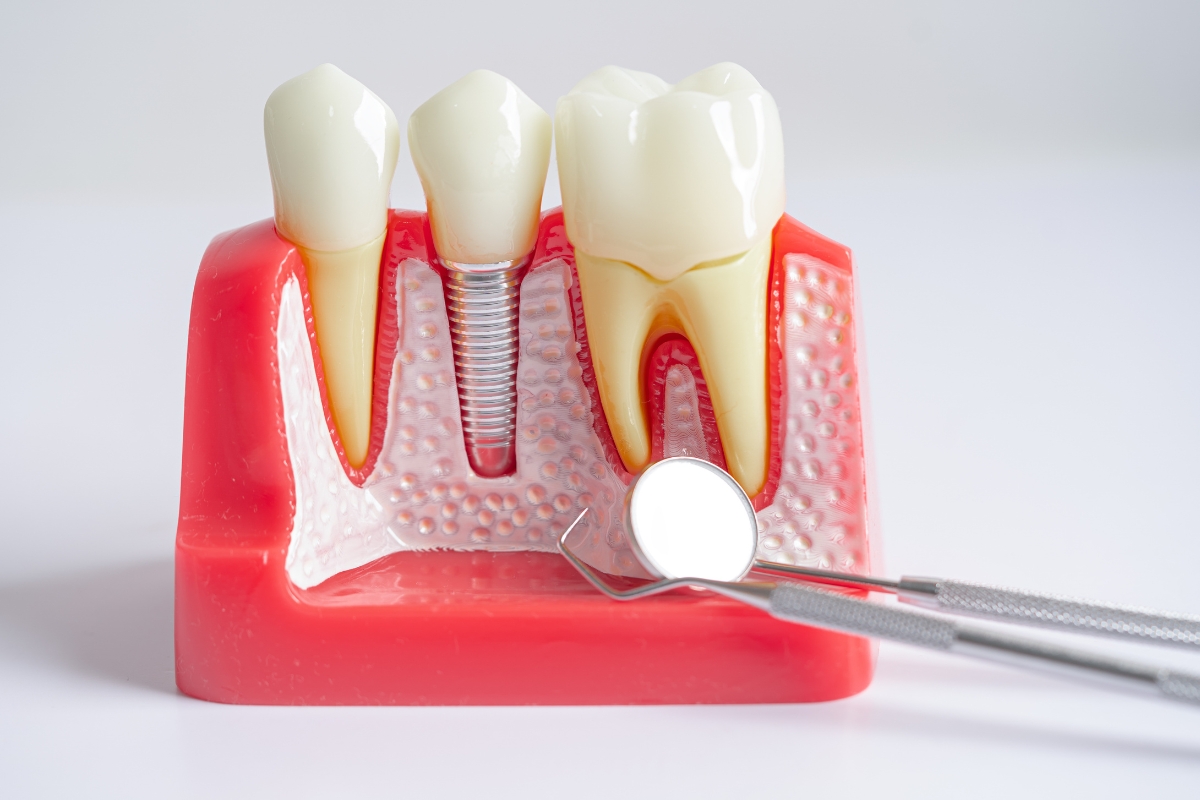
Initial recovery from implant surgery usually takes about three to seven days. During that time, you may notice mild soreness, swelling, and minor bleeding. Complete healing of the jawbone, which is called osseointegration, typically takes three to six months. This is the stage when your jawbone grows around the titanium post and locks it in place like a natural tooth root. Dental implants in Falcon are placed under local anesthesia, and most patients return to normal daily activities within a day or two.
What Happens During Implant Surgery
Your dentist begins by numbing the area with local anesthesia. The gum is gently lifted to reach the bone, the implant post is placed, and the gum is closed with small stitches so the area can heal. Many patients are surprised by how comfortable the visit feels. Most people describe the experience as pressure rather than pain.
If a tooth needs to be removed first, or if bone grafting is recommended, your timeline may be a little longer. Your dentist will explain this during your consultation so there are no surprises.
Your Recovery Timeline Step by Step
The First 24 Hours
Rest is your best friend on the first day. Bleeding or light oozing is normal, and you can bite gently on gauze to control it. Apply a cold compress to your cheek in short intervals to keep swelling down. Take any prescribed or recommended medication as directed, and stick with soft, cool foods such as yogurt, applesauce, or smoothies eaten with a spoon.
Days 2 to 3
Swelling and tenderness often peak around the second or third day, and then they begin to fade. Keep your head slightly elevated when you sleep. Continue eating soft foods and avoid hot drinks that could irritate the area. Gentle rinsing with warm salt water can help keep things clean, but ask your dentist when to begin.
Days 4 to 7
By the end of the first week, most patients feel much better. Soreness is mild, swelling has mostly gone down, and you can return to your normal routine. Your dentist may schedule a short follow-up visit to check how the gums are healing and to remove stitches if needed.
Weeks 2 to 6
The surface of your gums is now healing well, but the real work is happening deep in the bone. You can slowly add firmer foods, though you should still avoid chewing directly on the implant site. Keep brushing gently and keep your mouth clean.
Months 2 to 6
Osseointegration continues quietly during this stage. You will likely forget about the implant most days. When your dentist confirms that the post is stable, the custom crown, bridge, or denture is attached. After that, you can eat, speak, and smile with confidence again.
Factors That Can Affect Your Healing Time
Every mouth is different, and several things influence how quickly you heal. Your overall health matters, especially conditions like diabetes. Smoking slows healing and raises the risk of implant failure, so quitting before and after surgery is one of the best choices you can make. Good oral hygiene helps prevent infection. The number of implants placed, the quality of your jawbone, and the need for a bone graft can also add time. Following your aftercare instructions closely makes a real difference.
Tips for a Smoother Recovery
Plan a quiet day or two after surgery and avoid heavy exercise for several days. Drink plenty of water, but skip straws, since suction can disturb the healing site. Choose soft foods, and chew on the opposite side of your mouth. Avoid alcohol and tobacco while you heal. Sleep with an extra pillow to reduce swelling. Finally, do not skip your follow-up visits, because those checks help your dentist catch small problems early.
When to Call Our Dentist
Some soreness and swelling are normal, but certain symptoms need attention. Call our dentist at 719.623.5690 if you notice pain that gets worse after several days, swelling that keeps growing, a fever, a bad taste or discharge, or an implant that feels loose. Quick action protects your healing and your investment.
Why Choosing the Right Dental Team Matters
A comfortable recovery starts with careful planning. At East Side Modern Dentistry, Dr. Andre Shook and the team take time to explain each step, review your health history, and build a plan that fits your needs. Patients often tell us they appreciate the honest conversations and the lack of pressure. When a specialist is needed for a particular step, we help coordinate your care with trusted professionals in the area so the process stays smooth and stress-free.
Frequently Asked Questions About Implant Recovery
Is recovery from dental implant surgery painful?
Most patients report mild soreness that is easy to manage with the medication your dentist recommends. Discomfort usually fades within a few days.
When can I go back to work?
Many people return to work within one or two days. If your job is physically demanding, you may want to take a few extra days.
When can I eat normally again?
Stick with soft foods for the first week or two, then slowly add firmer foods as you feel comfortable. Your dentist will tell you when it is safe to chew normally on the new tooth.
How long until my new tooth is placed?
The crown, bridge, or denture is usually attached after the implant has fully bonded with the bone, which often takes three to six months.
Can I brush my teeth after surgery?
Yes, but be gentle around the surgical site. Brush and floss the rest of your mouth as usual, and follow the cleaning instructions your dentist gives you.
Take the Next Step Toward a Confident Smile
Missing teeth can affect how you eat, speak, and feel about your smile, and the sooner you explore your options, the better. If you are ready to learn more about dental implants in Falcon, call 719.623.5690 or request an appointment online to schedule your consultation. Our office is located at 11950 Tourmaline Drive, Suite 100, in Falcon, Colorado, and we welcome new patients and dental emergencies. Let us help you plan a comfortable recovery and a smile built to last.