



Do you wince every time you take a sip of ice water or your favorite cold soda? That sudden, sharp jolt of pain is more common than you might think, and it is not something you should just live with. At East Side Modern Dentistry, our Falcon dentist, Dr. Andre Shook, sees patients every week who deal with tooth sensitivity to cold drinks and food. The good news is that this discomfort almost always has a clear cause and a straightforward solution.
In this blog, we will walk through why your teeth might be sensitive to cold, what it could mean for your oral health, and the treatment options available right here in Falcon, Colorado.
Why Do Cold Drinks Cause Tooth Pain?
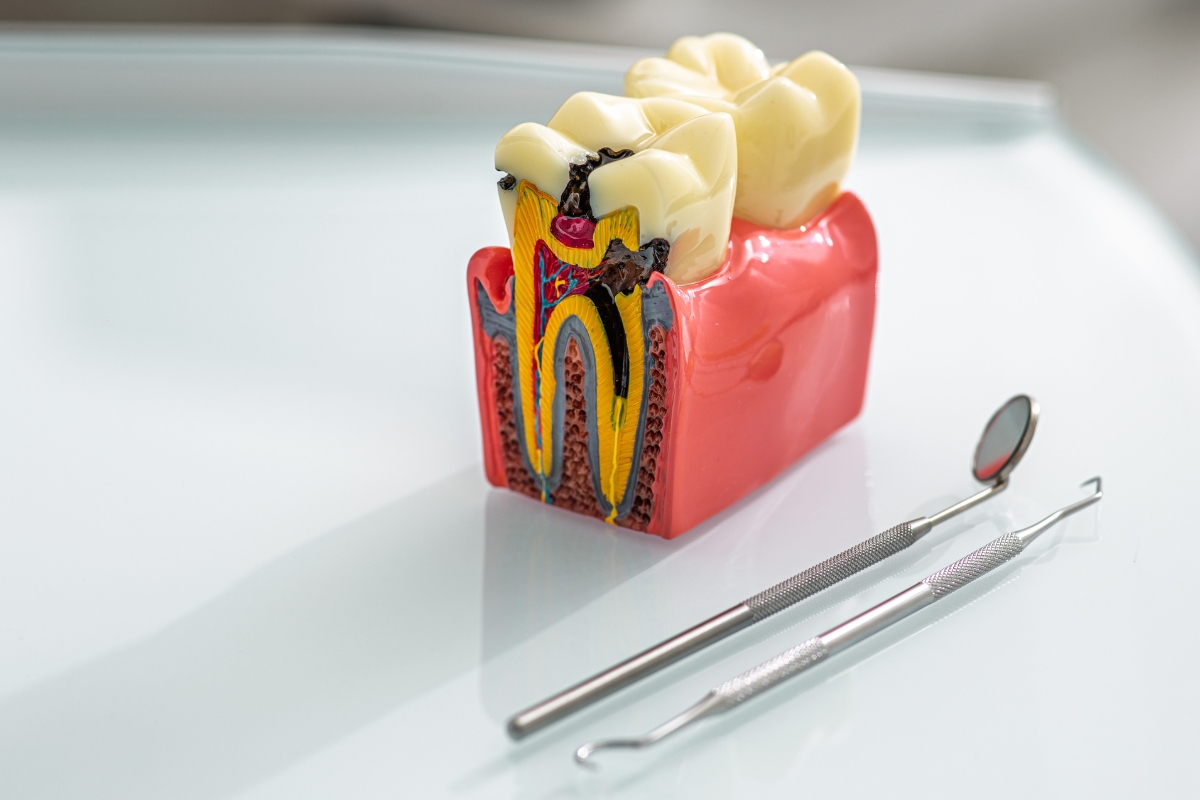
Tooth sensitivity happens when the protective layers of your teeth, the enamel and the gums, become worn down or damaged. This exposes the dentin underneath, which contains tiny tubules that lead directly to the nerve of the tooth. When cold liquid touches these exposed areas, it triggers a quick, sharp pain signal.
Here are some of the most common reasons this happens.
Worn Enamel
Enamel is the hard, protective outer layer of your teeth. Over time, brushing too hard, grinding your teeth, or consuming acidic foods and drinks can wear this layer down. Once enamel thins out, cold temperatures reach the nerve much faster.
Gum Recession
When gums pull away from the teeth due to gum disease, aggressive brushing, or aging, the root surface becomes exposed. Tooth roots do not have the same protective enamel coating, which makes them far more sensitive to cold and hot temperatures.
Cavities
A cavity creates an opening in the tooth structure, allowing cold air or liquid to reach the nerve directly. If you notice sensitivity in just one tooth, a cavity could be the culprit, and it is worth scheduling a dental exam soon.
Cracked or Fractured Teeth
A small crack in a tooth, sometimes invisible to the eye, can expose the inner layers to temperature changes. This type of sensitivity often comes and goes, which makes it easy to ignore until the crack worsens.
Recent Dental Work
If you have recently had a filling, crown, or whitening treatment, mild sensitivity to cold is normal for a short period. This usually resolves within a few days to a couple of weeks.
Teeth Grinding
Many people grind or clench their teeth at night without realizing it. Over time, this habit wears down enamel and can lead to increased sensitivity, especially to cold.
When Should You See a Dentist in Falcon?
Occasional mild sensitivity is common, but you should not ignore ongoing or worsening pain. Consider booking an appointment with our team if you experience any of the following.
Sensitivity that lasts more than a few seconds after exposure to cold
Pain that occurs without any obvious trigger
Sensitivity in just one specific tooth
Swelling, bleeding gums, or visible damage to a tooth
Pain that interferes with eating or drinking
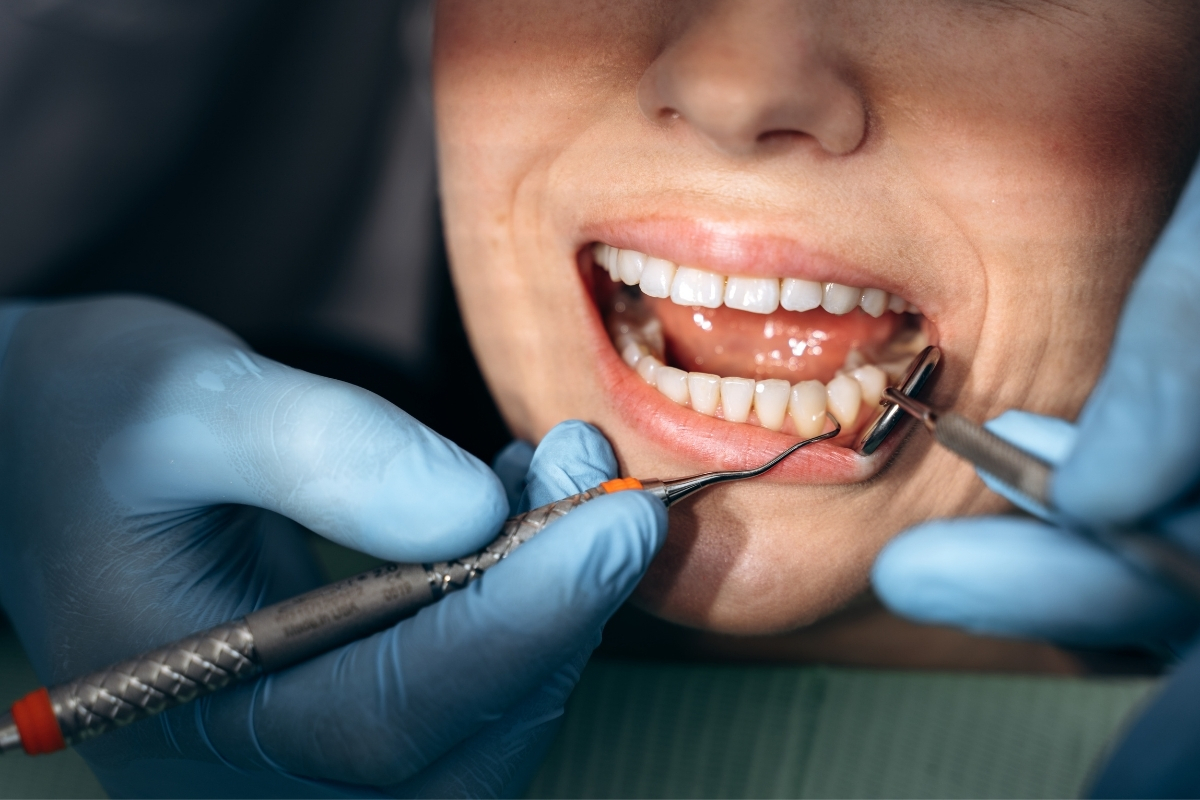
We offer thorough dental exams to pinpoint the exact cause of your discomfort before recommending treatment.
Treatment Options for Tooth Sensitivity
The right treatment depends on what is causing your sensitivity. Our team will evaluate your teeth and gums and recommend a personalized plan. Common treatments include the following.
Desensitizing Toothpaste
For mild cases caused by worn enamel, a desensitizing toothpaste can help block the pathway between the tooth surface and the nerve. Consistent use over several weeks often brings noticeable relief.
Fluoride Treatments
Professional fluoride applications strengthen enamel and reduce sensitivity. This is a quick, painless treatment often done during a routine visit to our office.
Dental Fillings or Bonding
If a cavity or small crack is causing your discomfort, a filling or cosmetic bonding can seal the affected area and protect the nerve underneath from further exposure.
Gum Treatment
For sensitivity caused by gum recession, our team may recommend gum disease treatment to address the underlying issue and help protect exposed roots.
Night Guards
If teeth grinding is behind your enamel wear, a custom night guard can prevent further damage while you sleep, protecting both your enamel and your jaw.
Root Canal Therapy
In more advanced cases where the tooth nerve is damaged or infected, root canal therapy may be necessary to relieve pain and save the tooth.
How to Prevent Tooth Sensitivity at Home
While professional treatment addresses the root cause, a few daily habits can help protect your teeth going forward.
- Use a soft-bristled toothbrush and gentle brushing technique
- Avoid brushing immediately after consuming acidic foods or drinks
- Limit sugary and acidic beverages
- Wear a night guard if you grind your teeth
- Keep up with regular dental checkups and cleanings
Simple changes like these, combined with professional care, go a long way in keeping your smile comfortable and healthy.
Visit Our Falcon Dentist for Lasting Relief
Tooth sensitivity to cold drinks does not have to be part of your daily routine. Our Falcon dentist, Dr. Andre Shook, and his experienced team take the time to find the true cause of your discomfort and create a treatment plan that fits your needs. We use modern technology and a gentle, patient-centered approach to make every visit comfortable.
If cold drinks have been giving you trouble, do not wait for the problem to get worse. Schedule an appointment with our dentist in Falcon today and get back to enjoying your favorite foods and drinks pain-free.
Call us or visit our office at 11950 Tourmaline Dr Ste 100, Falcon, CO 80831 to book your visit.
Frequently Asked Questions
Why do my teeth suddenly hurt when I drink something cold?
Sudden sensitivity to cold usually means the protective enamel or gum tissue covering your tooth has been compromised, exposing the sensitive dentin layer underneath. Common causes include worn enamel, gum recession, cavities, or a cracked tooth.
Is tooth sensitivity to cold drinks a sign of a serious problem?
It can be. While mild sensitivity is often manageable with desensitizing toothpaste, persistent or worsening pain may indicate a cavity, infection, or fractured tooth that needs professional treatment.
Can tooth sensitivity go away on its own?
Mild, temporary sensitivity after dental work may resolve on its own. However, sensitivity caused by enamel loss, gum recession, or decay usually requires treatment to fully go away.
How long does it take to treat tooth sensitivity?
Treatment time varies depending on the cause. Fluoride treatments and desensitizing toothpaste may take a few weeks to show full results, while fillings or bonding provide relief in a single visit.
What is the best way to prevent sensitive teeth?
Using a soft-bristled toothbrush, avoiding overly acidic foods, wearing a night guard if you grind your teeth, and keeping up with regular dental visits are the best ways to prevent sensitivity.
Unable to locate Global Block : 4932