


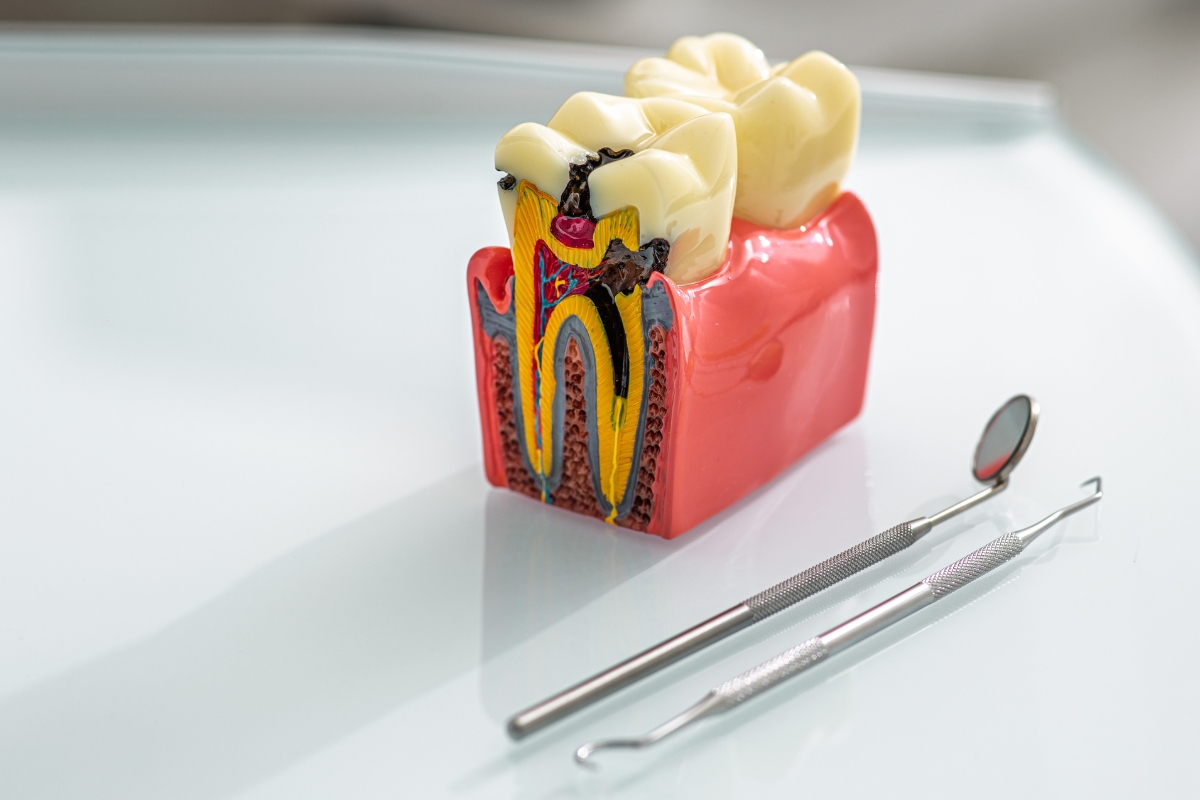
A small cavity rarely feels urgent, especially if it is not causing any pain yet. But waiting to see a dentist in Falcon once decay has started is one of the most common ways a simple, affordable fix turns into a much bigger problem. Understanding what actually happens inside your tooth when a cavity goes untreated can make it a lot easier to prioritize that appointment you have been putting off.
How a Cavity Forms and Progresses
Tooth decay starts small. Bacteria in plaque produce acid that gradually wears away at your enamel, the hard outer layer of your tooth. At first, this might only show up as a white spot or minor sensitivity. Left alone, that acid continues eating through the enamel and into the dentin underneath, which is softer and decays more quickly. Once decay reaches this stage, it usually needs a filling to stop it from spreading further. This is exactly why catching a cavity early, before it advances, makes such a difference in the kind of dental treatments you end up needing.
What Happens If You Wait
If a cavity is not treated, decay does not stop or reverse on its own. Here is how the problem tends to escalate over time:
- From enamel to dentin: Once decay passes through the enamel, it spreads faster through the softer dentin layer, often without obvious symptoms yet.
- From dentin to the pulp: If decay reaches the pulp, the inner chamber containing nerves and blood vessels, you will likely experience noticeable pain, especially with hot, cold, or sweet foods.
- Infection and abscess: Untreated decay that reaches the pulp can lead to infection, which may develop into a painful abscess. This is a serious condition that can spread to surrounding tissue, the jaw, or even other parts of the body if left unaddressed.
- Tooth loss: In advanced cases, the damage may be extensive enough that the tooth cannot be saved and needs to be extracted.
Why Cavities Do Not Get Better on Their Own
Unlike some minor cuts or irritations, tooth enamel does not regenerate the way skin does. Once a cavity has formed a hole, it can only be repaired with professional dental treatments, not brushing, mouthwash, or home remedies. Fluoride and good hygiene can help protect vulnerable areas from turning into a full cavity, but they cannot rebuild enamel that has already broken down. The longer decay is left untreated, the more of the natural tooth structure is lost, which often means a bigger, more expensive procedure down the line.
The Real Cost of Waiting
Treating a cavity early, often with a simple filling, is one of the most straightforward and affordable procedures in dentistry. Waiting until the decay reaches the nerve typically means needing a root canal or crown instead, both of which involve more time, more cost, and a longer recovery. If the tooth cannot be saved at all, you are then looking at an extraction and likely a replacement option such as an implant or bridge to restore function. What started as a routine filling can turn into a much more involved treatment plan simply because of time.
Warning Signs You Should Not Ignore
Cavities are not always painful in the early stages, but a few signs are worth paying attention to:
- Sensitivity to hot, cold, or sweet foods and drinks
- A visible dark spot, pit, or hole in a tooth
- Persistent bad breath or an unpleasant taste
- Pain when biting or chewing
- Swelling or tenderness in the gums near a specific tooth
If you notice any of these symptoms, it is worth scheduling a visit rather than waiting to see if it goes away.
How to Protect Your Smile Going Forward
The best way to avoid the risks of an untreated cavity is consistent prevention and early treatment. A few habits go a long way:
- Keep up with regular checkups. Routine visits allow small areas of decay to be caught and treated before they progress.
- Brush and floss daily. Good home care reduces the plaque and bacteria that lead to decay in the first place.
- Limit sugary and acidic foods. These contribute to the acid attacks that wear down enamel over time.
- Don’t ignore sensitivity or discomfort. Even mild symptoms are worth mentioning at your next visit.
- Ask about preventive options. Sealants and fluoride treatments can add an extra layer of protection for at-risk teeth.
Why Early Treatment Makes All the Difference
Choosing to address a cavity as soon as it is found keeps your treatment simple, protects more of your natural tooth, and saves you both time and money in the long run. Our team takes a straightforward approach to care, explaining exactly what we see and why a particular treatment is recommended, so you always understand your options before moving forward.
Frequently Asked Questions
Can a cavity heal on its own?
No, once enamel has broken down into a cavity, it cannot repair itself and needs professional treatment to stop the decay from spreading.
How do I know if I have a cavity if it does not hurt?
Many early cavities have no symptoms at all, which is why regular checkups and X-rays are so important for catching decay before pain develops.
What happens if I ignore a cavity for months or years?
The decay will continue to spread, often leading to nerve involvement, infection, or in advanced cases, tooth loss.
Is a filling always enough to treat a cavity?
For early to moderate decay, a filling is often sufficient. More advanced decay may require a crown, root canal, or extraction depending on how far it has progressed.
Are cavities more common in certain people?
Diet, oral hygiene habits, saliva flow, and genetics can all affect how prone someone is to developing cavities.
How often should I be checked for cavities?
Most patients benefit from a checkup every six months, though your dentist may recommend more frequent visits if you are at higher risk.
Do Not Wait on a Cavity
The sooner a cavity is treated, the simpler and more affordable the solution tends to be. If it has been a while since your last exam, or if you have noticed any warning signs, now is the time to reach out to a trusted dentist in Falcon. Request an appointment online to protect your smile before a small problem becomes a bigger one.

Unable to locate Global Block : 4932