

A toothache that lingers for days is more than an annoyance. It can be your body telling you that bacteria have found their way deep inside a tooth. If you have been wondering whether a tooth infection can spread, the honest answer is yes, and it can happen faster than most people expect. Getting timely help from a trusted provider of dental treatments in Falcon can stop a small problem from turning into a serious health risk.
This guide explains how a tooth infection starts, how it can travel beyond the tooth, which warning signs deserve immediate attention, and what treatment usually looks like. Our goal is to help you recognize trouble early and feel confident about taking the next step.
What Is a Tooth Infection?
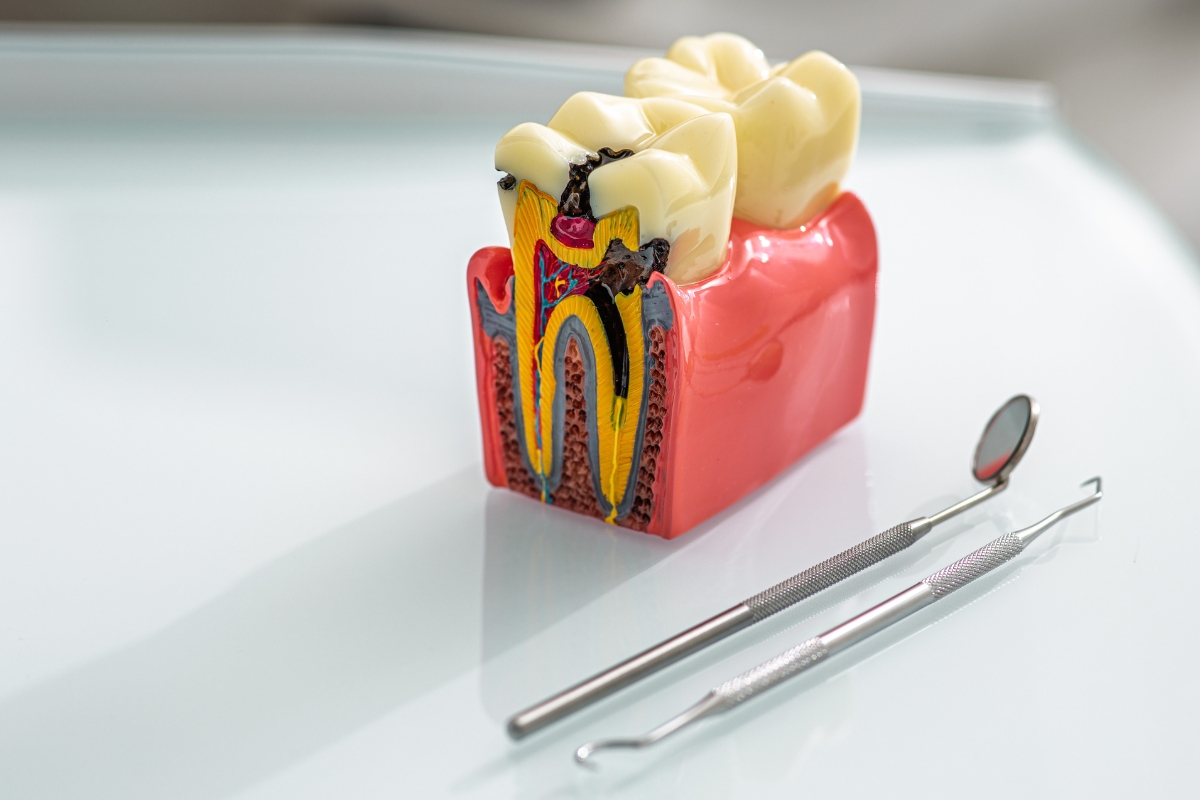
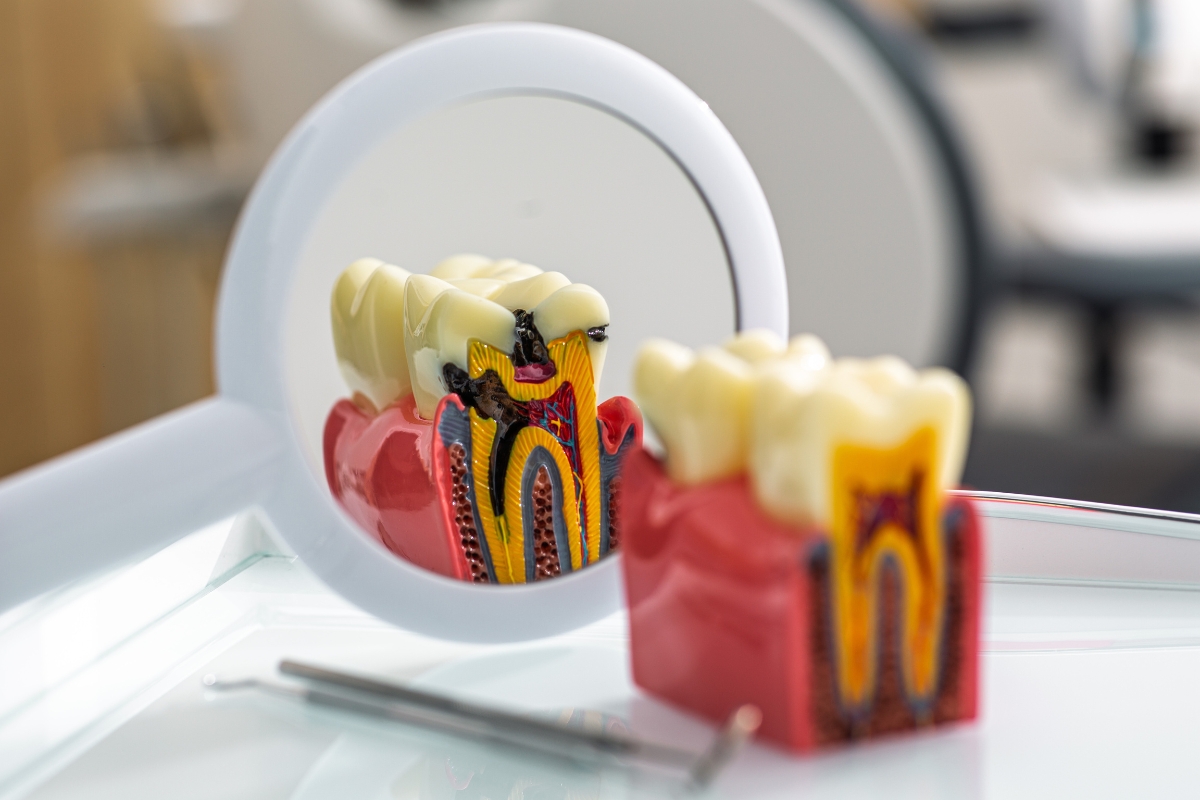
A tooth infection, often called a dental abscess, is a pocket of pus caused by bacteria. It usually begins when decay or a crack allows germs to reach the soft center of the tooth, known as the pulp. Gum disease, a chipped tooth, or a leaking old filling can also open the door. Once bacteria settle inside, the body sends white blood cells to fight them, and that battle creates swelling and pressure. Prompt dental treatment in Falcon can clear the infection, relieve pain, and protect the surrounding teeth and gums.
Can a Tooth Infection Spread?
Yes. A tooth infection does not stay put forever. Bacteria can move from the root of the tooth into the jawbone, the gums, and the soft tissues of the face and neck. In rare but serious cases, infection can travel into the bloodstream, which may lead to sepsis, or into areas near the brain and heart. Infections in the lower jaw can also swell toward the throat and make breathing or swallowing difficult.
Sometimes a painful abscess suddenly feels better. That does not always mean the problem is gone. It can mean the abscess has drained or the nerve inside the tooth has died. The infection may still be active, and it can continue to spread quietly.
Warning Signs You Should Never Ignore
Pay attention to your body. The following symptoms suggest an infection that needs care.
Pain That Will Not Go Away
A steady, throbbing toothache that lasts more than a day or two, especially pain that radiates to the ear, jaw, or neck, is a common sign of infection.
Swelling in the Face or Gums
Puffiness in your cheek, jaw, or under the chin, or a bump on the gum that looks like a pimple, can point to an abscess. Swelling that grows quickly should be treated as urgent.
Fever and Fatigue
A fever, chills, or a general feeling of being unwell can mean your body is working hard to fight the infection.
Sensitivity to Hot, Cold, or Pressure
If biting down hurts or a sip of coffee sends a sharp pain through your tooth, the nerve may be under attack.
Bad Taste or Foul Breath
A salty or bitter taste in your mouth, along with persistent bad breath, can happen when an abscess drains.
When Is It an Emergency?
Some symptoms should never wait for a regular appointment. If you have swelling that makes it hard to breathe or swallow, a fever along with facial swelling, confusion, a racing heartbeat, or swelling that spreads toward your eye or neck, go to the nearest emergency room or call 911. These can be signs of a spreading infection that needs urgent medical care.
For severe tooth pain or swelling without those red flags, call our dentist at 719.623.5690 the same day. Our office welcomes emergency appointments, so reach out as soon as you notice a problem and our team will help you find the quickest path to relief.
How Dentists Treat a Tooth Infection
Treatment depends on how far the infection has progressed. After an exam and digital images, your dentist will recommend the best option for your situation.
A root canal removes the infected pulp, cleans the inside of the tooth, and seals it so it can keep functioning. In many cases, a crown is placed afterward to protect the tooth. If a tooth is too damaged to save, an extraction may be needed, and replacement options such as bridges or dental implants can be discussed once the area heals. Your dentist may also drain the abscess and prescribe antibiotics when appropriate. Antibiotics alone do not fix the source of the problem, so the infected tooth still needs professional treatment.
If dental visits make you anxious, ask about sedation dentistry. Comfort options can make treatment far easier for nervous patients.
How to Prevent Tooth Infections
The best defense is consistent care. Brush twice a day with fluoride toothpaste, floss daily, and limit sugary snacks and drinks. Schedule routine checkups and cleanings so small cavities are filled before they grow. Protect your teeth with a mouthguard during sports or a night guard if you grind your teeth. Do not ignore cracked, chipped, or sensitive teeth, since even a tiny opening can let bacteria in.
Why Local Care Matters
When you are in pain, you want a team that listens and acts quickly. At East Side Modern Dentistry, Dr. Andre Shook and the staff offer general, restorative, cosmetic, and emergency services in one convenient place. Patients often tell us they value clear explanations, honest recommendations, and a caring, no-pressure approach. We will walk you through your options and costs, and our front desk team can help you understand your insurance benefits before treatment begins.
Do Not Wait to Get Relief
A tooth infection is one of those problems that only gets bigger the longer it is ignored. If you notice pain, swelling, or any of the warning signs above, call 719.623.5690 or request an appointment online today. Our office is located at 11950 Tourmaline Drive, Suite 100, in Falcon, Colorado, and we welcome new patients. Explore our full range of dental treatments in Falcon and take the first step toward a healthy, pain-free smile.
Frequently Asked Questions
How long can I wait before treating a tooth infection?
You should not wait. Even if the pain eases, the infection can continue to spread. Call a dentist as soon as you notice symptoms.
Can a tooth infection go away on its own?
No. The body cannot clear an abscess without treatment. The pain may come and go, but the source of the infection remains until a dentist treats it.
Will antibiotics cure my tooth infection?
Antibiotics can help control the spread of bacteria, but they do not remove the infected tissue inside the tooth. Most patients also need a root canal, drainage, or an extraction.
Is a root canal painful?
Modern root canals are done with local anesthesia and are usually no more uncomfortable than getting a filling. Most patients feel relief because the source of the pain has been removed.
What can I do for relief until my appointment?
Rinse gently with warm salt water, use over-the-counter pain relievers as directed on the label, and apply a cold compress to your cheek. Do not place aspirin directly on the gums, and do not try to drain an abscess yourself.