


If you have been dealing with a cracked tooth, a deep cavity, or a tooth that just does not feel right when you bite down, you have probably wondered whether it needs more than a simple filling. For a lot of patients, the answer ends up being a dental crown. But how do you actually know when a crown is the right call, and when is it overkill?
This guide breaks down the most common situations where a dental crown becomes necessary, what the process looks like, and what you can realistically expect from the outcome. Whether you are dealing with an urgent situation or just doing your research ahead of a dental appointment, this should give you a solid foundation.
What Is a Dental Crown, Exactly?
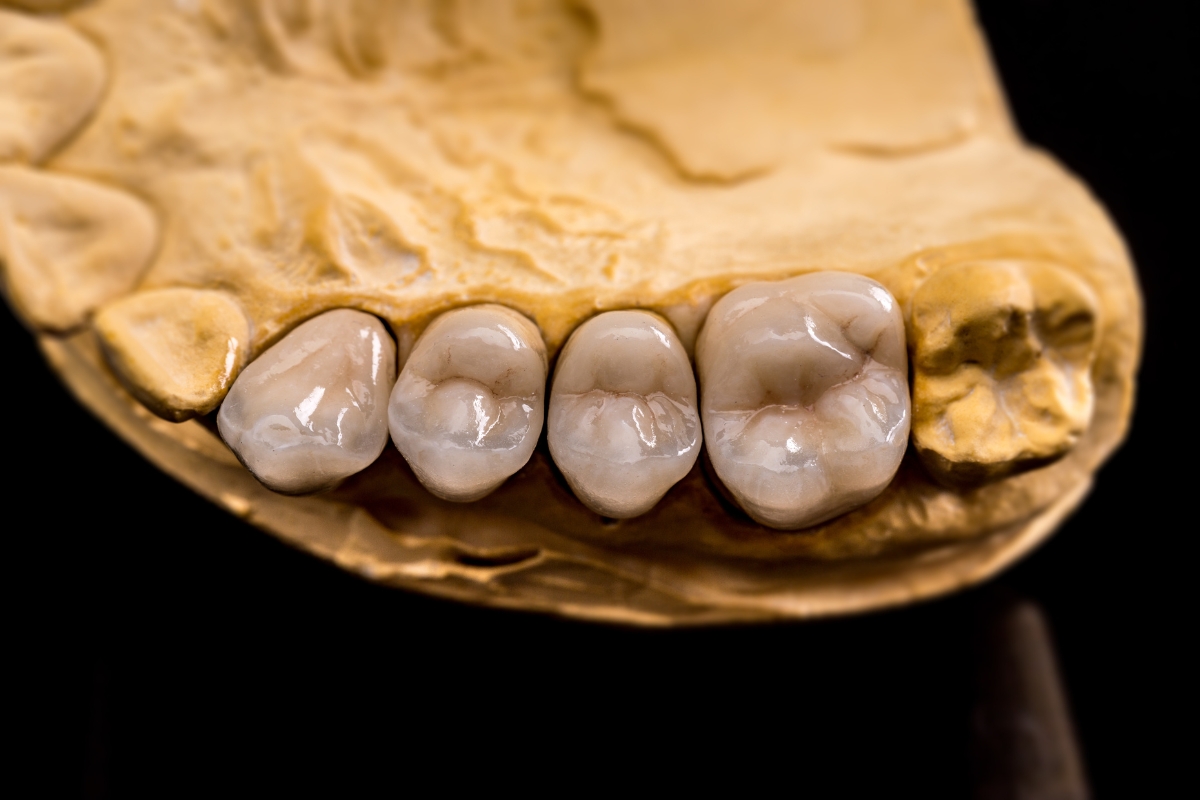
A dental crown is a tooth-shaped cap that fits over a damaged or weakened tooth, restoring its shape, strength, and appearance. It covers the entire visible portion of the tooth above the gum line. Crowns can be made from several materials, including porcelain, ceramic, zirconia, or metal alloys, and the right choice depends on where the tooth is located and what your priorities are.
In the context of cosmetic dentistry in Falcon, crowns are one of the most versatile restorations available. They serve both a functional and an aesthetic purpose, which makes them a go-to solution for a wide range of dental problems.
Common Reasons a Tooth May Need a Crown
1. A Large or Deep Cavity That Cannot Be Filled
Fillings work well for cavities that are small to moderate in size. But when decay has eaten away a significant portion of the tooth structure, a filling may not provide enough support. Placing a large filling in a compromised tooth can actually weaken it further and increase the risk of fracture.
In cases like this, a dental crown in Falcon becomes the more structurally sound option. It distributes biting forces more evenly across the tooth, protecting what remains of the natural structure underneath.
2. A Cracked or Fractured Tooth
Cracks in teeth are more common than most people realize. They can result from biting down on something hard, grinding your teeth at night, or even just the natural wear that comes with aging. The tricky part is that cracks do not always cause obvious pain right away. Some people notice discomfort only when chewing or when the tooth is exposed to hot or cold temperatures.
If a crack is shallow, a filling or bonding agent might be enough. But if the crack extends deeper into the tooth or is spreading, a crown is often necessary to hold the tooth together and prevent the crack from reaching the root. Left untreated, a deep crack can lead to a split tooth, which typically means the tooth cannot be saved at all.
3. After a Root Canal Treatment
When a tooth undergoes root canal therapy, the pulp inside the tooth is removed. This is necessary when the pulp becomes infected or severely inflamed, but it also leaves the tooth more brittle than before. Teeth that have had root canals, especially molars that absorb a lot of chewing pressure, are significantly more prone to fracture without additional protection.
Placing a dental crown after a root canal is standard practice for most back teeth. It reinforces the remaining structure and restores the tooth to full function. Many patients are surprised at how natural a crowned tooth feels once everything heals.
4. A Broken or Severely Worn Tooth
Teeth can break due to trauma, like a fall or sports injury, or they can wear down gradually over time due to bruxism (chronic teeth grinding). In both cases, the extent of the damage determines the treatment. Minor chips can often be repaired with dental bonding. But when a significant portion of the tooth is missing or the biting surface is heavily worn, a crown provides the coverage and durability that other restorations cannot.
For patients dealing with widespread wear from grinding, crowns may be recommended on multiple teeth as part of a broader treatment plan to restore proper bite alignment and protect the remaining enamel.
5. Holding a Dental Bridge in Place
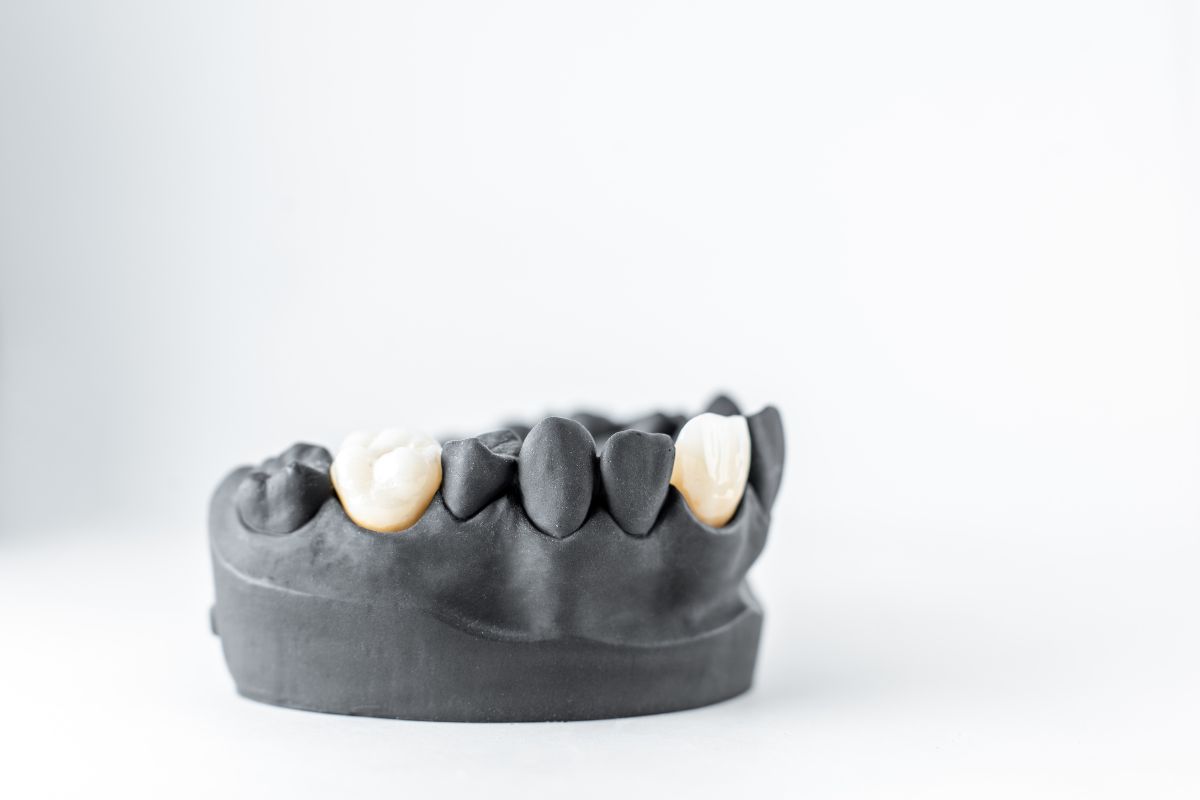
If you have a missing tooth and are getting a traditional fixed bridge, the teeth on either side of the gap need to be crowned. These crowned teeth act as anchors, or abutments, that hold the bridge securely in place. In this scenario, the crown serves a dual purpose: it restores the anchor tooth while also supporting the artificial tooth in the middle.
6. Covering a Severely Discolored or Misshapen Tooth
Sometimes a tooth has significant discoloration that does not respond to whitening treatments, or it may be misshapen in a way that cannot be adequately addressed with bonding or veneers. In these situations, a porcelain or ceramic crown can completely transform the appearance of the tooth, matching the color and contour of the surrounding teeth.
This is where the cosmetic dentistry side of dental crowns in Falcon really comes into play. A well-crafted crown is virtually indistinguishable from a natural tooth, which means patients can get a functional restoration without sacrificing aesthetics.
How the Crown Process Typically Works
Getting a dental crown generally involves two appointments, though same-day crowns are also available at some practices using CAD/CAM technology.
During the first visit, your dentist will examine the tooth, take X-rays, and prepare the tooth by reshaping it to accommodate the crown. An impression or digital scan is taken, and a temporary crown is placed while the permanent one is being fabricated.
At the second appointment, the temporary crown is removed and the permanent crown is cemented into place. Your dentist will check the fit and bite carefully before finalizing the placement.
The process is straightforward, and most patients find it far less uncomfortable than they anticipated. Local anesthesia is used during preparation so you should not feel any pain during the procedure itself.
How Long Do Dental Crowns Last?
With proper care, a dental crown can last anywhere from 10 to 15 years or longer. Porcelain and ceramic crowns hold up well aesthetically over time, while zirconia and metal crowns tend to be especially durable under heavy biting pressure.
The longevity of your crown depends on a few factors: your oral hygiene routine, whether you grind your teeth, and how well you keep up with regular dental checkups. Crowns can chip or come loose over time, particularly if you bite down on hard objects or skip cleanings. Treating your crown the same way you would treat a natural tooth, including brushing, flossing, and visiting your dentist regularly, is the best way to get the most out of it.
Taking Care of a Damaged Tooth Should Not Wait
If your dentist has mentioned that a tooth may need a crown, or if you have been ignoring a cracked or sensitive tooth hoping it will resolve on its own, it is worth getting a proper evaluation sooner rather than later. Teeth do not heal themselves the way other parts of the body can, and most dental problems tend to get more complex over time, not less.
At Eastside Modern Dentistry in Falcon, the team offers comprehensive restorative and cosmetic dental care, including custom dental crowns designed to fit your bite and blend naturally with your smile. If you are in the Falcon area and want to find out whether a crown is the right solution for your tooth, scheduling a consultation is the best next step. A thorough exam will give you a clear picture of your options and what to expect.
Frequently Asked Questions About Dental Crowns
How do I know if I need a crown or just a filling?
Your dentist will evaluate the extent of the damage using a clinical exam and X-rays. Generally, if more than half of the tooth structure is compromised, a crown is the better long-term solution. Smaller areas of decay or damage are typically handled with a filling or bonding.
Is getting a dental crown painful?
The preparation appointment involves numbing the tooth with local anesthesia, so you should not experience pain during the procedure. Some sensitivity and mild soreness around the gum area is normal for a few days afterward. Over-the-counter pain relievers are usually sufficient to manage any post-procedure discomfort.
Can a crowned tooth still get a cavity?
The crown itself cannot decay, but the tooth underneath still can. Decay can develop at the margin where the crown meets the gum line if plaque is allowed to build up there. This is why brushing at the gumline and flossing around crowns is just as important as it is for natural teeth.
What materials are dental crowns made of, and which is best?
Crowns can be made from porcelain, ceramic, zirconia, gold, or a combination of materials. Porcelain-fused-to-metal and all-ceramic crowns are popular for front teeth because of their natural appearance. Zirconia and metal crowns are often preferred for back teeth due to their strength. Your dentist will recommend the best material based on the tooth’s location, your bite, and your aesthetic preferences.
How much does a dental crown cost?
The cost varies based on the material, the complexity of the case, and your insurance coverage. Many dental insurance plans cover a portion of the cost for crowns that are medically necessary, such as those placed after a root canal or to protect a cracked tooth. Your dental office can review your benefits and provide an accurate cost estimate before you commit to treatment.
What happens if I delay getting a crown when I need one?
Delaying a recommended crown can lead to further damage. A cracked tooth can split completely. A weakened tooth can fracture. In some cases, what could have been saved with a crown may eventually require extraction. Getting a crown when it is recommended is almost always less costly and less complicated than dealing with the consequences of waiting.
Related Articles
Unable to locate Global Block : 4932