


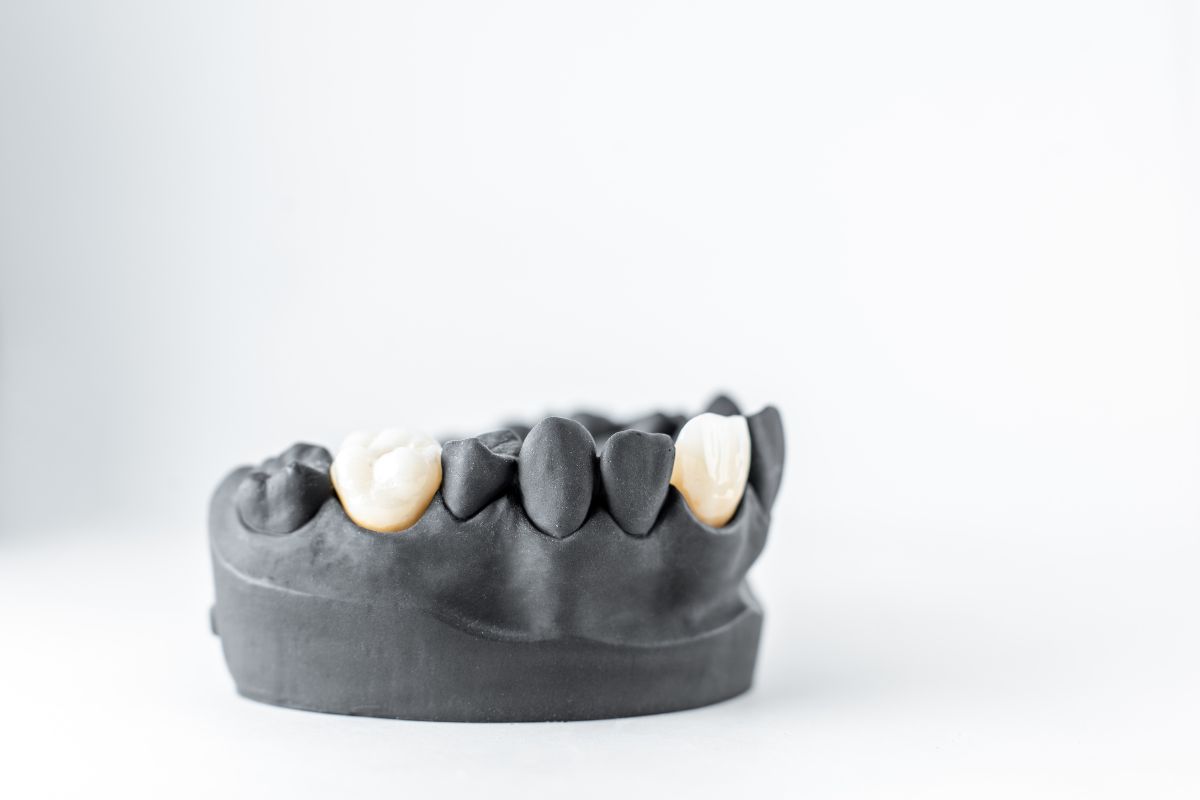
A damaged tooth does not always mean removal. In many cases, it can be protected and strengthened instead. A dental crown in Falcon helps restore the structure of your tooth while preserving the natural tooth underneath.
In growing communities like Falcon, where families juggle busy schedules, outdoor adventures, and time spent at local spots like Falcon Regional Park or Meridian Ranch, unexpected tooth damage is not uncommon. Whether it’s from teeth grinding, old fillings, or accidental cracks, there’s no need to worry. Modern restorations offer a conservative approach to preserving your smile.
Why Do Teeth Lose Strength Over Time?
Teeth lose strength gradually. Damage often builds quietly before pain sets in. Common causes in Falcon’s active lifestyle include:
- Deep decay that weakens the remaining tooth structure.
- Fractures from biting hard foods or ice.
- Large fillings that reduce natural stability.
- Wear from nighttime grinding.
- Injury during sports or active lifestyles.
Once strength is compromised, the tooth needs reinforcement. Removal is not always necessary.
How Restorative Caps Strengthen Teeth?
A dental crown in Falcon acts as a custom-fitted outer shell. It covers the visible portion of a damaged tooth. The structure underneath remains in place and functional.
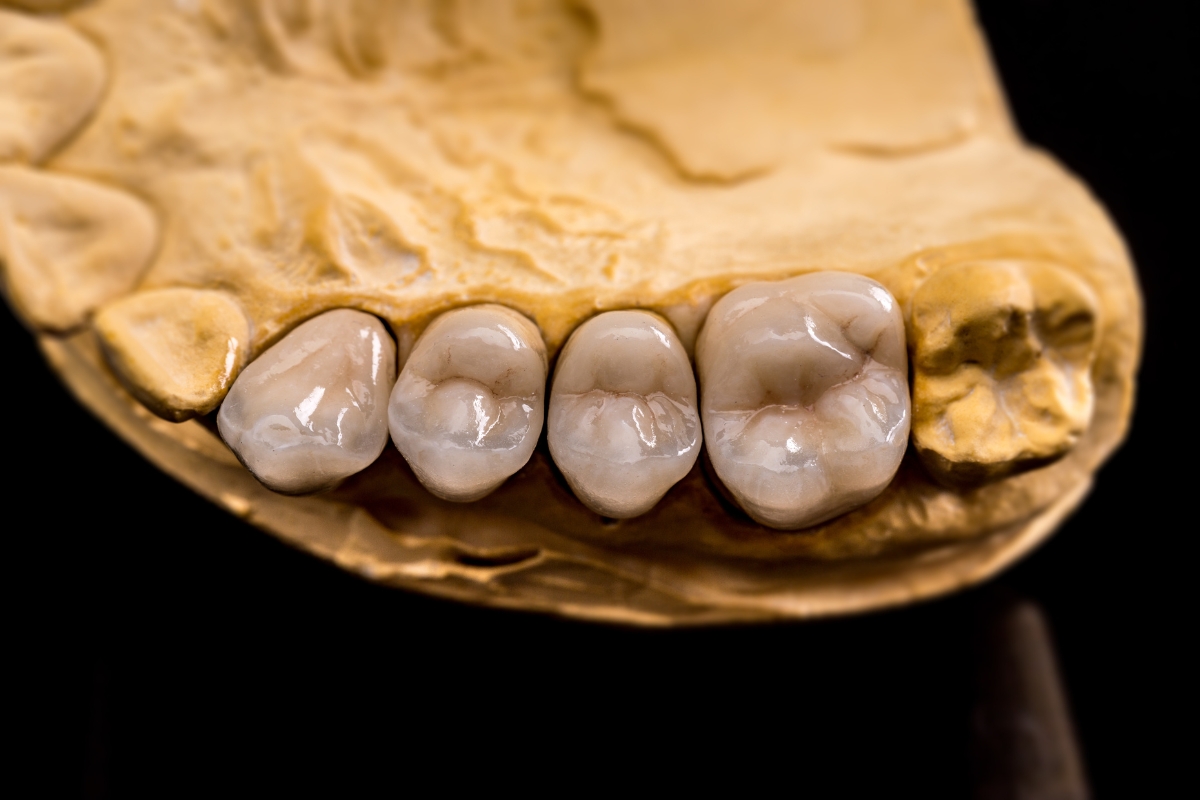
These restorations distribute chewing pressure evenly, preventing cracks from expanding. They also shield treated teeth after procedures like root canal therapy. Unlike extractions, capped teeth help maintain normal bite mechanics. So, whether you’re grabbing a coffee at Hickory Ridge Coffee House or enjoying a day at Pine Creek Golf Course, you can eat, speak, and smile with confidence.
When A Crown Is Recommended Instead Of Removal?
Dentists typically suggest tooth coverings when damage is significant but stable. Common situations include:
- Large fillings that weaken the natural structure.
- Cracks that do not extend below the gumline.
- Teeth worn from grinding or clenching.
- Post-root canal protection.
What Actually Happens During The Treatment Process?
Here is what people can expect while getting their dental crowns:
- Initial Tooth Evaluation: Treatment begins with a detailed examination of the tooth. Your dentist checks the root, the surrounding bone, and the remaining structure to confirm that the tooth can be restored safely.
- Conservative Tooth Preparation: Only the damaged or weakened areas are removed. Healthy tooth structure is preserved to maintain strength and support.
- Gentle Reshaping: The tooth is carefully shaped to ensure the restoration fits comfortably and functions properly.
- Accurate Impressions: Precise impressions are taken to create a restoration that matches your bite and natural tooth shape.
- Temporary Protection: A temporary restoration is placed to protect the tooth while the final one is being made.
- Final Placement: Once placed, the permanent restoration feels secure and natural, allowing you to eat, speak, and smile with confidence.
How Does This Restoration Improve Daily Comfort?
Beyond strength, these restorations improve how teeth work together. Balanced pressure reduces strain on nearby teeth and the jaw. This helps prevent future discomfort or uneven wear. Patients often feel more confident speaking, eating, and smiling. The restored tooth blends seamlessly with the rest of the smile.
In nearby communities like Peyton and Black Forest, patients value solutions that support both function and appearance.
Why Is Early Treatment Better Than Waiting?
Delaying care allows cracks or decay to spread. Over time, damage may reach the root, limiting treatment options. Early intervention protects the tooth while solutions remain conservative. This reflects the principle of protecting your smile and the importance of regular dental care. Routine visits help catch problems before they escalate.
How Do Local Lifestyles And Seasons Affect Tooth Health?
Life in this community often includes outdoor activities, family time at Falcon City Park, or visits to the local farmer’s market. With the changing seasons, cold weather can increase tooth sensitivity, while summer activities like hiking or biking may lead to accidental injuries.
Strong dental restorations are essential for supporting active lifestyles year-round. Whether you’re at The Shops at Falcon Marketplace or relaxing with family at home, having reliable, restored teeth allows you to live without worry.
Is Tooth Preservation The Right Choice For You?
Saving your natural tooth is often the healthiest and most comfortable option. With the right care, our dental crown in Falcon can continue to function normally and support your smile for years.
At East Side Modern Dentistry, your comfort, clarity, and long-term oral health always come first. Our team takes the time to evaluate every option and recommend only what truly supports your smile. If you’re concerned about a weakened tooth, schedule a visit with confidence—knowing you’ll receive thoughtful care, clear answers, and a solution designed to protect what’s already yours.
Frequently Asked Questions (FAQs)
How long do dental crowns last?
Dental crowns typically last between 10 to 15 years with proper care. Their lifespan depends on oral hygiene, lifestyle, and the material used, but regular check-ups can help extend it.
Can I eat normally after getting a prosthetic cap?
After your tooth cap is placed, it may take a few days for your mouth to fully adjust. Avoid hard or sticky foods initially to ensure the restoration settles properly.
What are the different types of dental crowns?
Common types of capped teeth include porcelain, metal, and ceramic, each offering varying degrees of strength, aesthetics, and longevity. Your dentist will recommend the best type based on your tooth’s needs.
Are dental crowns painful to get?
Most patients experience minimal pain during the procedure due to local anesthesia. Some discomfort may occur afterward, but it typically subsides within a few days with proper aftercare.
Can a dental crown fall off?
While rare, a tooth cap can become loose or fall off if there’s significant wear or if the tooth beneath the crown decays. Regular dental visits ensure the dental work is secure and functioning well.
Related Articles
Unable to locate Global Block : 4932