

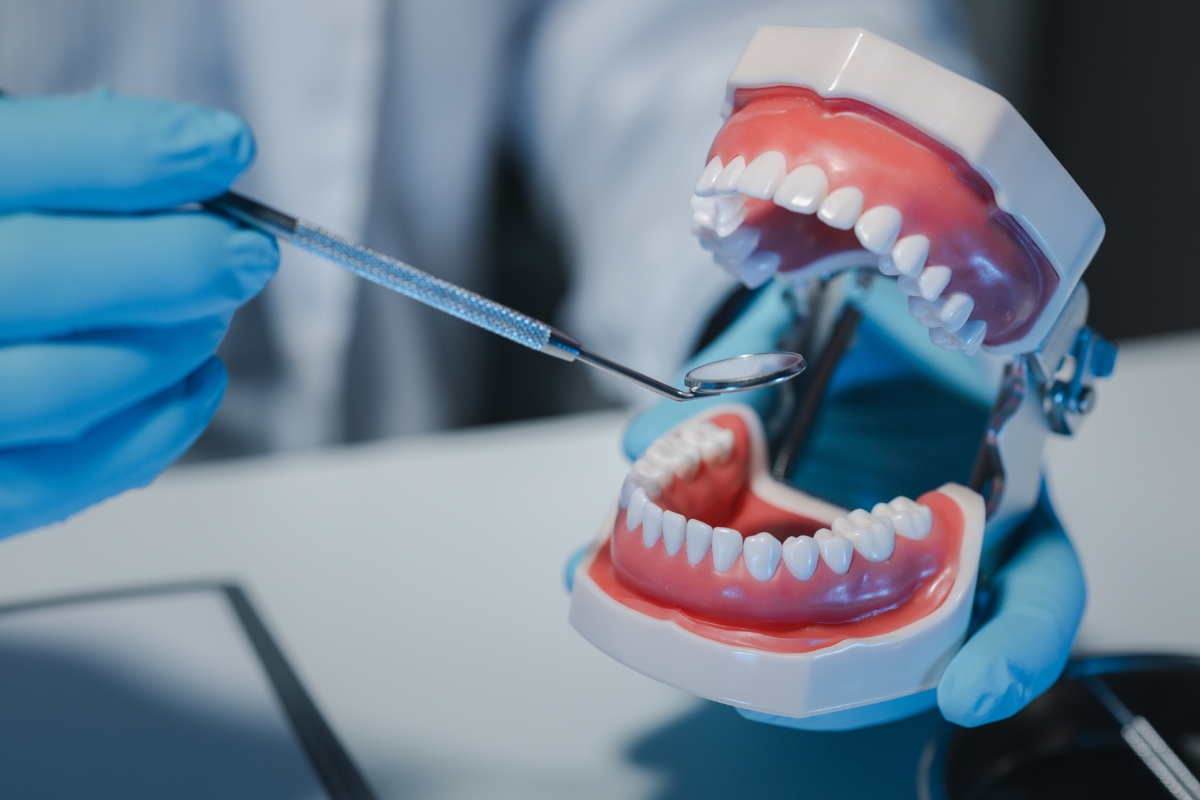
A healthy smile does more than look good in photos. It allows you to eat comfortably, speak clearly, and avoid the cascade of problems that come from untreated decay or missing teeth. When damage does happen, restorative dentistry gives you a path back to full function and confidence. Here is a closer look at the most common restorative solutions available and how each one helps protect your long-term oral health.
What Is Restorative Dentistry
Restorative dentistry covers any treatment designed to repair, rebuild, or replace damaged or missing teeth. Unlike cosmetic dentistry, which focuses primarily on appearance, restorative treatments are built around function first, though many modern options deliver a natural, attractive result as well. The right restorative plan depends on the extent of the damage, your oral health history, and your long-term goals.
1. Dental Fillings
Fillings are one of the most common restorative treatments, used to repair teeth affected by cavities. After removing decayed tissue, your dentist fills the space with a tooth colored composite material that blends seamlessly with your natural teeth. Modern fillings are durable, quick to place, and far less noticeable than the metal fillings of the past.
Signs you may need a filling include tooth sensitivity, visible pits or dark spots on a tooth, or mild discomfort when chewing.
2. Dental Crowns
A crown is a custom-made cap placed over a damaged or weakened tooth to restore its shape, strength, and function. Crowns are often recommended after a root canal, for teeth with large fractures, or for teeth that have lost significant structure due to decay.
Crowns are built to withstand normal biting and chewing forces, and modern materials are designed to closely match the color and translucency of natural enamel.
3. Dentures and Bridges
For patients missing one or more teeth, dentures and bridges offer reliable, comfortable solutions. A bridge fills the gap left by one or more missing teeth by anchoring a replacement tooth to the surrounding natural teeth or implants. Dentures, whether partial or full, replace multiple missing teeth and are custom-fitted for comfort and a natural appearance.
Both options restore your ability to chew and speak clearly while also helping preserve the shape of your face, which can change once teeth are missing for an extended period.
4. Dental Implants
Dental implants are considered the gold standard for replacing missing teeth. A titanium post is placed directly into the jawbone, where it fuses with the bone over time to create a stable, permanent foundation for a replacement tooth. Because implants do not rely on neighboring teeth for support, they help preserve jawbone density and prevent the shifting that often follows tooth loss.
Implants can be used to replace a single tooth, several teeth, or, when combined with a full arch of replacement teeth, an entire row of missing teeth.
Signs You May Need Restorative Dental Work
- Persistent tooth pain or sensitivity
- Visible cracks, chips, or wear on a tooth
- Gaps from missing teeth that affect chewing or speech
- Loose or shifting teeth
- Discomfort when biting down
- Old fillings or crowns that are cracked or worn
If you notice any of these signs, it is best to schedule an evaluation before the issue progresses further.
Why Restorative Dentistry Matters for Long-Term Health
Ignoring dental damage rarely makes it go away. A small cavity left untreated can lead to infection, a root canal, or eventually tooth loss. Missing teeth can also affect your bite alignment, leading to strain on your jaw and additional wear on your remaining teeth. Addressing problems early with the right restorative treatment protects not just your smile, but your overall oral health for years to come.
What to Expect at Your Restorative Dentistry Consultation
Your first visit will typically include a full oral exam, digital X-rays, and a conversation about your symptoms and goals. From there, your dentist will walk you through the recommended treatment options, including the benefits, timeline, and cost of each. Every restorative plan at our dental office in Falcon is built around your comfort, your budget, and the outcome you are hoping to achieve.
Restore Your Smile at East Side Modern Dentistry
Whether you are dealing with a single cavity or need a more comprehensive restorative plan, East Side Modern Dentistry is here to help you protect your oral health with lasting, natural-looking results. Call us today to schedule your restorative dentistry consultation in Falcon and take the first step toward a healthier smile.
Frequently Asked Questions
How do I know if I need a filling or a crown?
Smaller areas of decay are usually treated with a filling, while more extensive damage or a weakened tooth structure often requires a crown for added strength and protection.
Are dental implants a good option for older adults?
Yes, implants can be a great option at nearly any age as long as you have healthy gums and enough jawbone density to support the implant, which your dentist can evaluate during a consultation.
How long do dentures and bridges typically last?
With proper care, bridges can last ten years or longer, and dentures typically need to be relined or replaced every five to ten years as your mouth changes over time.
Is restorative dental work painful?
Most restorative procedures are performed with local anesthesia to keep you comfortable, and sedation options are also available for patients who feel anxious about treatment.
Does insurance cover restorative dentistry?
Many restorative treatments are at least partially covered by dental insurance. Our team can help verify your benefits before you begin treatment.
Related Articles
Unable to locate Global Block : 4932