


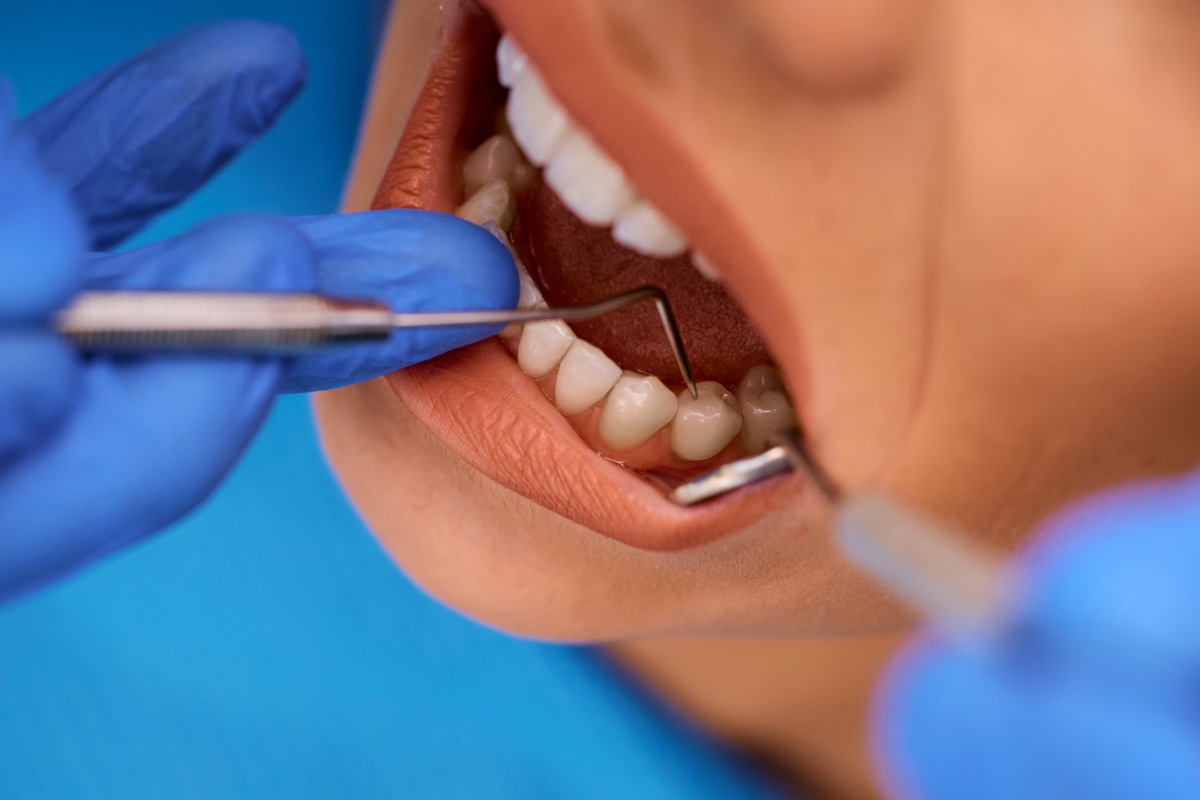
Dental fillings are among the most effective treatments for maintaining a healthy, vibrant smile. These small but essential procedures can restore both the function and appearance of your teeth. Whether you’re dealing with cavities or minor tooth damage, they can help protect and reinforce your smile for the long term.
The charming community and its blend of rural living with modern conveniences make it an ideal place to maintain a healthy smile. The town, located just east of Colorado Springs, is known for its beautiful surroundings and active lifestyle. Whether you’re at the Pikes Peak or Bust Rodeo or a weekend at Regional Park, a healthy smile boosts confidence in the community. If you are considering dental fillings in Falcon, learn how they work, what types there are, and the benefits they offer.
Why Are Dental Fillings Important?
Dental repairs are primarily used to treat cavities. Cavities occur when bacteria in the mouth produce acids that damage the enamel of the tooth, causing decay. Over time, if untreated, this decay can worsen, leading to infection and potentially more severe dental problems, including tooth loss. By filling the cavities with appropriate material, the tooth is protected, and its function is restored. Here’s how they help:
- Prevent further decay: These dental repairs stop the spread of decay to the surrounding tooth structure.
- Restore tooth function: They enable you to chew, speak, and smile without discomfort.
- Improve aesthetics: Modern fillings can be made to blend seamlessly with your natural teeth, restoring their appearance.
Here, many residents enjoy outdoor activities and local events. It’s important to maintain a smile that looks great and functions well. Whether hiking at Creek Ranch or attending a local festival, your teeth should be as healthy and strong as your community.
Types of Material Used in Dental Fillings
Several types of dental repairs are available, each offering different benefits and materials to suit the needs of each patient. Here are some common types:
1. Composite
Composite dental repairs are made from a tooth-colored resin material that can be molded to fit the cavity. They are ideal for restoring the teeth that are visible when you smile. They blend well with the natural tooth color, making them a popular choice for those who want a discreet solution to tooth decay.
2. Amalgam
These are silver-colored dental repairs made from a blend of metals, including silver, mercury, and tin. While they are highly durable and resistant to wear, they are less aesthetically pleasing than composite ones. However, they are still a practical choice for areas of the mouth that aren’t visible when smiling.
3. Gold
Although not as common as other materials, gold dental repairs are still favored by some patients for their durability and long lifespan. They are highly resistant to wear and corrosion, making them a reliable option for molars that experience heavy chewing forces.
Benefits of Dental Fillings
Dental repairs offer numerous advantages, especially when cavities are caught early. Here’s a list of key benefits:
- Protection from further decay
- Restoration of tooth strength and function
- Prevention of infection
- Aesthetic improvement (with tooth-colored options)
- Long-lasting results
Residents can continue enjoying outdoor activities and community events thanks to these dental repairs. Whether you’re visiting Antler Creek Golf Course or Falcon Park, enjoy your time knowing your smile is well-maintained.
What to Expect During Your Dental Filling Procedure?
Dental filling procedures are relatively straightforward and typically require only a single appointment. Here’s a general overview of what you can expect:
Step 1: Consultation and Examination
Your dental practitioner will first examine the tooth to determine the extent of the decay. X-rays may be taken to get a clear picture of the damage.
Step 2: Cleaning the Tooth
The decayed part of the tooth will be removed, and the area will be cleaned thoroughly to ensure no bacteria remain.
Step 3: Filling the Cavity
The dental care service provider will place the filling material into the cleaned cavity and mold it to match the shape of the tooth. Once in place, the material is hardened with a special light.
Step 4: Polishing and Final Touches
The dental practitioner will carefully polish the filling to make sure it feels comfortable and blends smoothly with your surrounding teeth.
Residents can get quick, efficient treatment to keep their smile, whether heading to a café or a family day at Falcon Middle School Park.
Restore Your Smile with Our Dental Fillings
Dental repairs are a proven way to protect and restore your teeth. If you are experiencing tooth decay, the right treatment can help you maintain a healthy smile. Whether you need a composite, amalgam, or gold repair, we offer many types of dental fillings in Falcon. Don’t wait—visit East Side Modern Dentistry today to schedule your consultation. Let’s find out how we can help you achieve the perfect smile.
Frequently Asked Questions (FAQs)
What causes a tooth to need a dental repair?
A filling is necessary when a tooth develops a cavity due to decay or damage. The bacteria in the mouth eat away at the tooth enamel, creating a hole that must be filled to prevent further damage.
How do you know if you need a filling?
Common signs include tooth pain, sensitivity to hot or cold foods, and visible holes or dark spots on your teeth. A dental practitioner can also detect cavities during routine checkups.
Are there alternatives to dental repairs for treating cavities?
In some cases, if the cavity is too large, a crown may be recommended instead of a filling. However, they are typically the first-line treatment for most cavities.
How should you care for my fillings?
Maintain good oral hygiene, including brushing and flossing regularly. Avoid chewing hard foods, which can damage the filling, and visit your dental practitioner for regular check-ups.
Can dental repairs be replaced?
Yes, they can be replaced if they wear out, become damaged, or if the decay reoccurs. It’s essential to have a dentist evaluate the condition of your dental repairs during routine visits.
Does the procedure hurt?
Most dental filling procedures are done with local anesthesia, meaning you should not feel pain during the treatment. Afterward, you may experience mild sensitivity, which typically subsides within a few days.
How long do dental repairs last?
The lifespan of a filling depends on the material used and how well you care for your teeth. Composite dental restorations last about 5-10 years, while gold and amalgam repairs can last up to 15 years or longer.
Can you eat after getting a filling?
It’s best to avoid eating immediately after the procedure, especially if a sedation was used. Once the filling has fully hardened, you can resume normal eating habits.

Unable to locate Global Block : 4932