


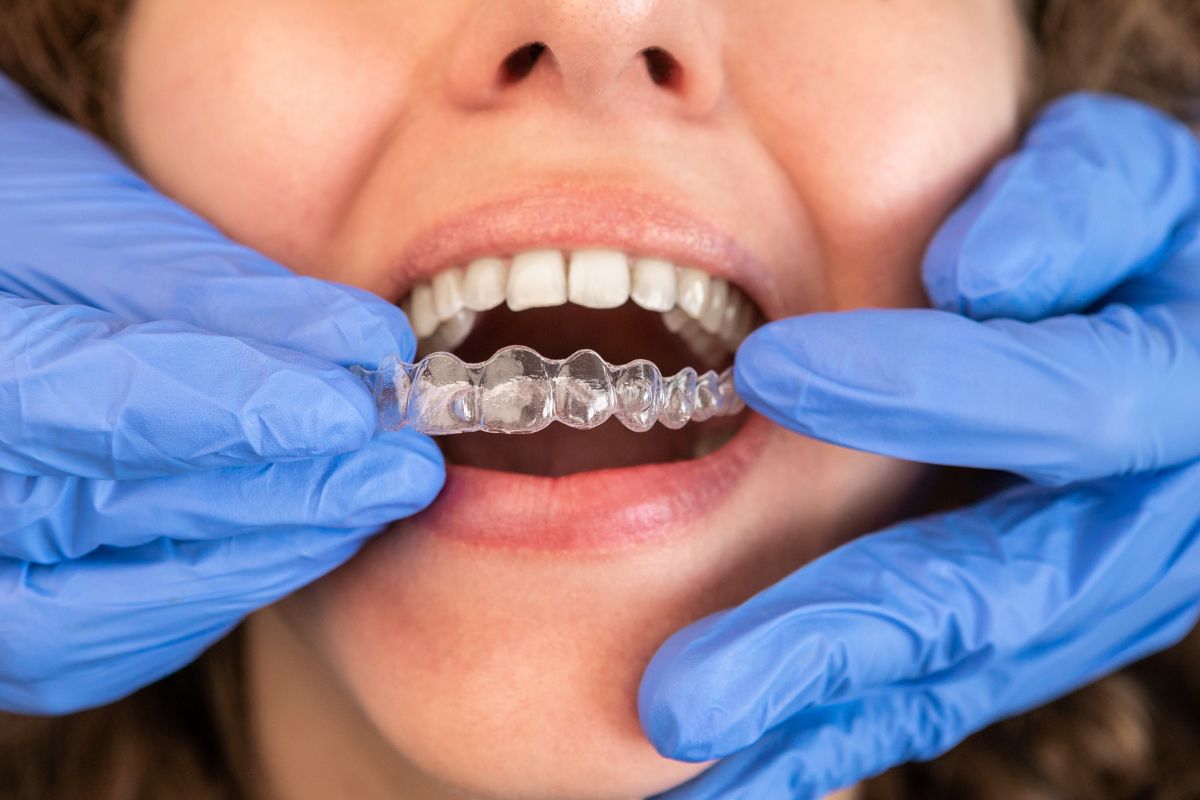
If you are considering clear aligner treatment, you may already be aware that it can help straighten your teeth. However, did you know that Invisalign in Falcon can also improve your airway health and sleep? In this blog, we will explore how clear dental trays contribute to better breathing and improved sleep – two benefits many people overlook when seeking teeth straightening treatment.
How Does Jaw Alignment Affect Breathing And Airway Space?
Your jaw position plays a key role in your ability to breathe properly. Misalignment, such as a narrow upper jaw or an improper bite, can reduce the space behind your tongue, making it more difficult to breathe. This can lead to snoring, difficulty sleeping, and even sleep apnea.
Teeth aligning trays work by gradually adjusting your bite and jaw position, which creates more space in your upper airway. By improving your breathing pathway and tongue posture, Invisalign can help facilitate better airflow, reducing breathing restrictions during sleep.
Clear Aligners And Snoring: Can They Help?
Many people suffer from snoring due to the obstruction of the airflow space. This happens when the tongue or soft tissues in the mouth collapse during sleep, narrowing the breathing passage. Removable braces can help reposition the teeth and jaw, which in turn can improve airflow and reduce snoring. By realigning your bite and jaw, Invisalign in Falcon, helps reduce the likelihood of airway closure during sleep. While not a complete cure for snoring, this treatment can significantly lessen the severity for many people, leading to improved sleep quality.
The Link Between Tooth Alignment And Sleep Apnea
Sleep apnea, a condition in which your breathing pathway becomes blocked during sleep, often co-occurs with misaligned teeth and jaws. For patients with mild to moderate sleep apnea, invisible braces can help open the airway by improving jaw alignment and positioning. While it is not a direct treatment for sleep apnea, correcting jaw alignment can reduce the frequency and severity of apnea episodes in some patients.
If you suffer from sleep apnea, it is essential to consult a dental professional to determine if aligner therapy can be part of a broader treatment plan.
What Makes Invisalign A Holistic Solution for Dental and Airway Health?
Unlike traditional metal braces, invisible braces are comfortable and discreet. They not only straighten teeth but also help with jaw alignment, improving both the cosmetic appearance of your smile and the functional health of your nasal and throat airways. They provide a comprehensive approach to addressing misalignment and enhancing the overall quality of life.
How Clear Dental Trays Can Help Improve Sleep And Breathing?
If you are considering transparent braces for both aesthetic and functional purposes, here is what you can expect:
- Customized Treatment Plan: A dental care provider will assess your oral health, sleep patterns, and jaw structure to determine if the treatment can be an effective solution.
- Progressive Adjustment: Invisible trays will gradually shift your teeth and jaw into a functional and comfortable position, which can improve airflow space over time.
- Maintenance: In addition to wearing aligners as instructed, incorporating good sleep hygiene practices and avoiding habits such as mouth breathing will maximize the benefits of treatment.
Improve Your Smile And Sleep With Our Invisalign Therapy
Invisalign in Falcon, is a modern and popular method for straightening teeth, providing an opportunity to enhance sleep, breathing, and overall quality of life. If you are ready to experience the benefits of enhanced nasal and throat airways and a more restful night’s sleep, don’t wait any longer. With the proper guidance and treatment plan, you can achieve a healthier smile and better sleep without the hassle of traditional braces. At East Side Modern Dentistry, we are here to guide you every step of the way. Contact us today to schedule your consultation and start your journey toward better sleep, improved airway health, and a confident smile.
Frequently Asked Questions (FAQs)
Q. Can clear aligners really help improve sleep quality by correcting jaw and airway alignment?
Yes, they can help by repositioning your teeth and jaw to create more space for your tongue and soft tissues, which may improve airflow while you sleep. While they aren’t a guaranteed cure for sleep disorders, many people notice reduced snoring and better rest.
Q. Are clear aligner treatments suitable for addressing breathing issues associated with narrow dental arches or tongue posture?
In certain cases, yes! They can help widen the arch, reposition teeth, and enhance tongue position, all of which support better airway function. Your treatment team will assess your specific anatomy and, if necessary, combine aligner care with other therapies.
Q. Will clear dental trays change the way I speak or swallow?
Most patients adapt quickly and notice only a brief lisp, which typically fades within a few days. With consistent wear and proper fit, your speech and swallowing return to normal while your teeth move into alignment.
Q. How long each day must I wear my clear trays for them to work?
To achieve predictable results, you’ll typically need to wear the aligner trays about 20–22 hours daily until the treatment plan is complete. Removing them frequently or for extended periods may delay progress and affect the final outcome.
Q. Can aligners fix bite issues such as overbite or crossbite?
Yes, transparent aligner therapy can address many bite problems, including moderate overbites or crossbites, by gradually repositioning teeth and adjusting their alignment. For more complex bite issues, your provider might recommend additional treatments or referrals.
Q. Is the removal of attachments or trimming of teeth necessary during aligner treatment?
Small attachments (tooth‑colored buttons) may be placed on some teeth to help the aligners grip and move them correctly. Minimal enamel reshaping may also be performed to create space – both steps support efficient movement and a more precise outcome.
Q. After finishing treatment, how long do I need to wear a retainer or clear tray?
Once active alignment ends, a retainer or similar appliance is typically recommended full-time for the first few months, then used nightly long-term to prevent drifting. This phase is crucial for maintaining your new smile and long‑term success.

Unable to locate Global Block : 4932