


Putting off dental care because of fear or anxiety is more common than most people think, and it rarely ends well for your teeth. If the thought of a dental chair makes your palms sweat, sedation dentistry in Falcon can make every visit far more manageable. Two of the most frequently used options are nitrous oxide and oral sedation, and understanding how they differ can help you feel more confident about choosing the right one for your next appointment.
Why Dental Anxiety Deserves to Be Taken Seriously
Dental anxiety is not just a mild case of nerves for many patients. It can stem from a painful experience, fear of needles, sensitivity to sounds and smells, or simply feeling a loss of control while lying back in a chair. Left unaddressed, that anxiety often leads to delayed checkups and cleanings, which allows small problems to grow into bigger, more expensive ones. Recognizing that this fear is real and common is the first step toward finding a comfortable solution.
What Is Nitrous Oxide
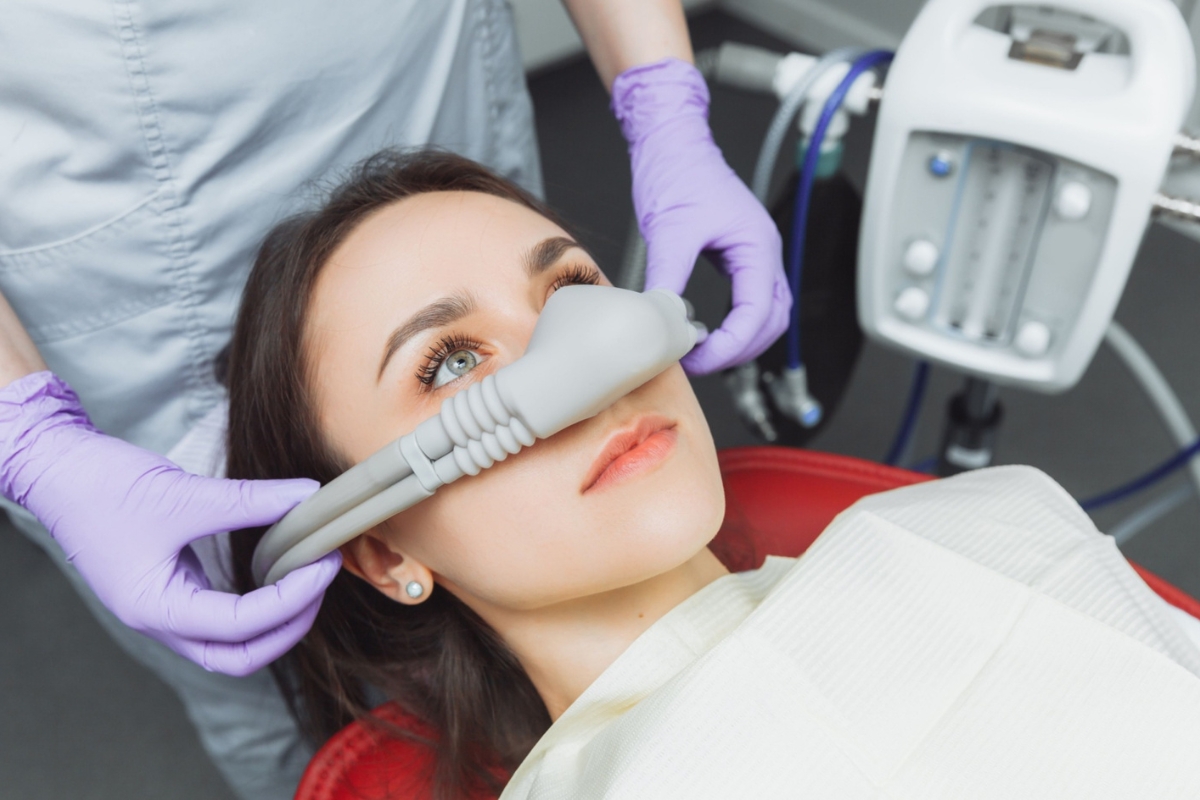
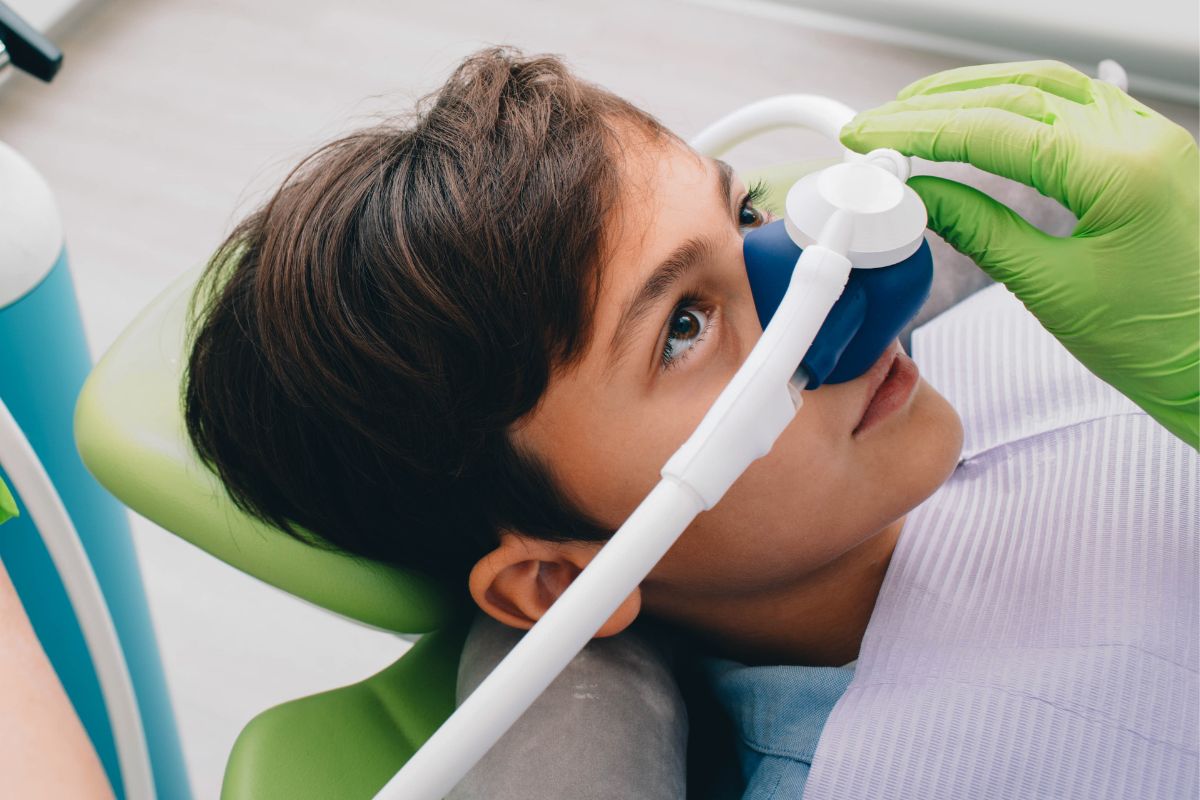
Nitrous oxide, often called laughing gas, is one of the most widely used forms of minimal sedation in dentistry. It is inhaled through a small mask placed over your nose, and it takes effect within a few minutes. Patients typically feel calm, relaxed, and a little lighter, while remaining fully awake and able to answer questions or follow instructions throughout treatment. Because the effects wear off almost immediately once the mask is removed, most patients can drive themselves home right after their appointment. This makes nitrous oxide a great fit for patients with mild anxiety or those coming in for shorter procedures like cleanings or fillings.
What Is Oral Conscious Sedation
Oral conscious sedation takes a different approach. Instead of inhaling a gas, you take a prescribed medication before your appointment, which helps you feel deeply relaxed while remaining awake and responsive during treatment. Many patients describe feeling drowsy or drifting in and out, and it is common to have little to no memory of the procedure afterward. Because the sedative stays in your system longer than nitrous oxide, you will need someone to drive you to and from your appointment. This option tends to work well for patients with moderate to more significant dental anxiety, or for longer and more involved procedures.
Comparing the Two Side by Side
Choosing between these options often comes down to how anxious you feel and what kind of treatment you need.
- Onset and recovery: Nitrous oxide works within minutes and wears off almost as quickly, while oral sedation takes longer to kick in and lingers well after your appointment ends.
- Level of relaxation: Nitrous oxide offers light, easily adjustable relaxation, while oral sedation provides a deeper, more sustained sense of calm.
- Memory of the visit: Most patients remember their appointment clearly with nitrous oxide, while oral sedation often leaves little to no memory of the procedure.
- Getting home afterward: You can typically drive yourself home after nitrous oxide, but you will need a ride after oral sedation.
- Best suited for: Nitrous oxide is often ideal for mild anxiety and shorter visits, while oral sedation is generally better for stronger fears or more extensive dental work.
How We Decide Which Option Is Right for You
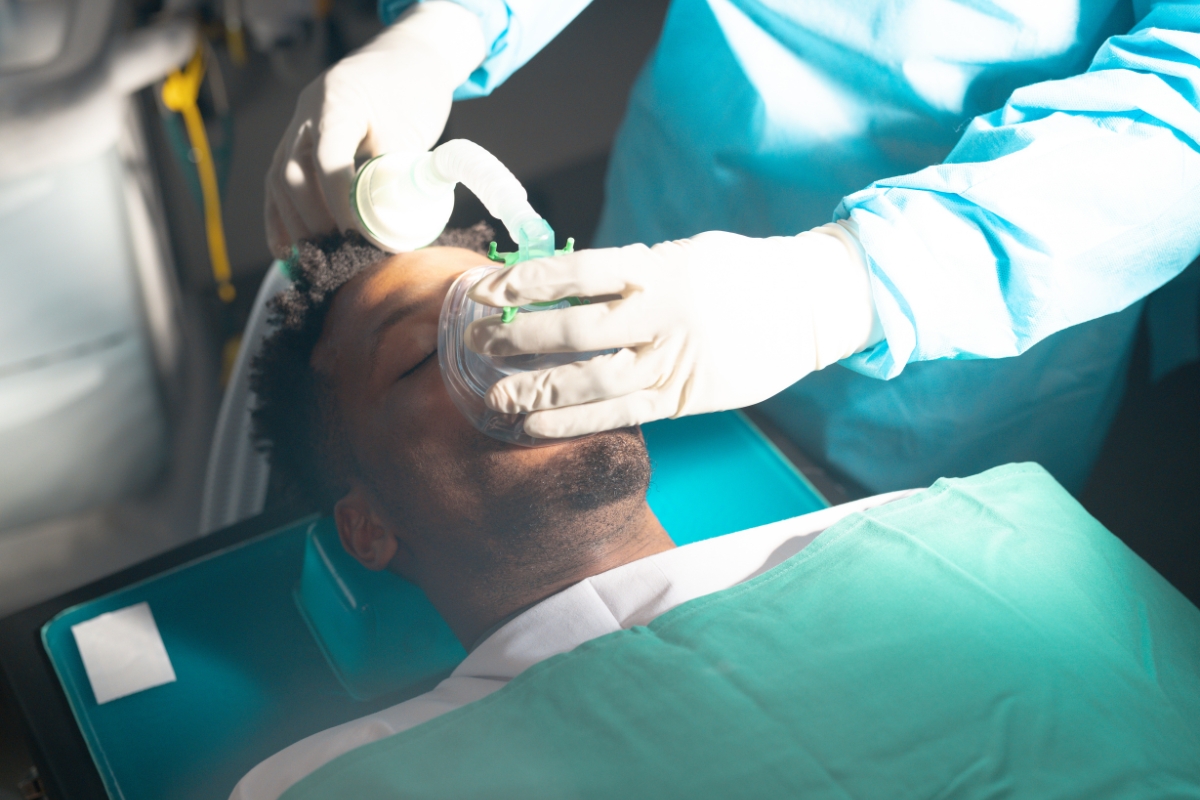
At your consultation, several factors go into choosing the right level of sedation, including how strong your anxiety is, the complexity of the planned treatment, and your overall health history. A full review of your medications and medical background helps determine the safest and most effective option for your situation. For patients who need an even deeper level of relaxation, full sedation is also available through a partnership with a mobile dental anesthesiology team that can provide those services on-site when appropriate.
Tips for Choosing the Right Sedation Option
A few things to keep in mind as you think through your choice:
- Be open about your fears. Sharing exactly what makes you anxious, whether it is needles, sounds, or a past bad experience, helps your dental team tailor their approach.
- Think about the length and complexity of treatment. A quick cleaning may only need light sedation, while a longer procedure might call for something more.
- Share your full health history. Certain medications or health conditions can affect which sedation options are appropriate for you.
- Ask about credentials. It is reasonable to ask who will be administering sedation and what training and certification they hold.
- Plan your ride if needed. If you choose oral sedation or full sedation, arrange transportation in advance so you are not scrambling on appointment day.
The Benefits of Choosing Sedation Dentistry
Sedation dentistry does more than just calm your nerves. It allows dentists to work more efficiently since patients are relaxed and cooperative, which can mean fewer visits for more involved treatment. It also helps patients who have avoided care for years finally catch up on cleanings, fillings, or other needed work without the dread that used to keep them away. Most importantly, it opens the door to consistent, preventive dental care, which protects your smile for the long run.
Frequently Asked Questions
Is nitrous oxide safe?
Yes, nitrous oxide has a long track record of safe use in dentistry and is considered one of the mildest forms of sedation available.
Will I be unconscious during oral sedation?
No, oral conscious sedation keeps you awake and able to respond, even though you may feel very relaxed and remember little afterward.
Can I choose sedation for a routine cleaning?
Yes, many patients use light sedation like nitrous oxide even for cleanings or exams if anxiety has kept them from scheduling care.
How do I know which sedation level I need?
Your dentist will walk through your anxiety level, treatment plan, and health history with you to recommend the safest, most comfortable option.
Does sedation dentistry cost extra?
Sedation is typically billed separately from your treatment. Our team can walk you through pricing and insurance coverage before your appointment.
What if my anxiety is severe?
For patients who need a deeper level of relaxation, full sedation is available through our partnership with a mobile anesthesiology team.
Take the Fear Out of Your Next Visit
You should never have to choose between your comfort and your oral health. If dental anxiety has been holding you back, sedation dentistry in Falcon can help you finally get the care you need in a way that feels manageable. Call 719.623.5690 or request an appointment online to talk through your options with our team.
Unable to locate Global Block : 4932