


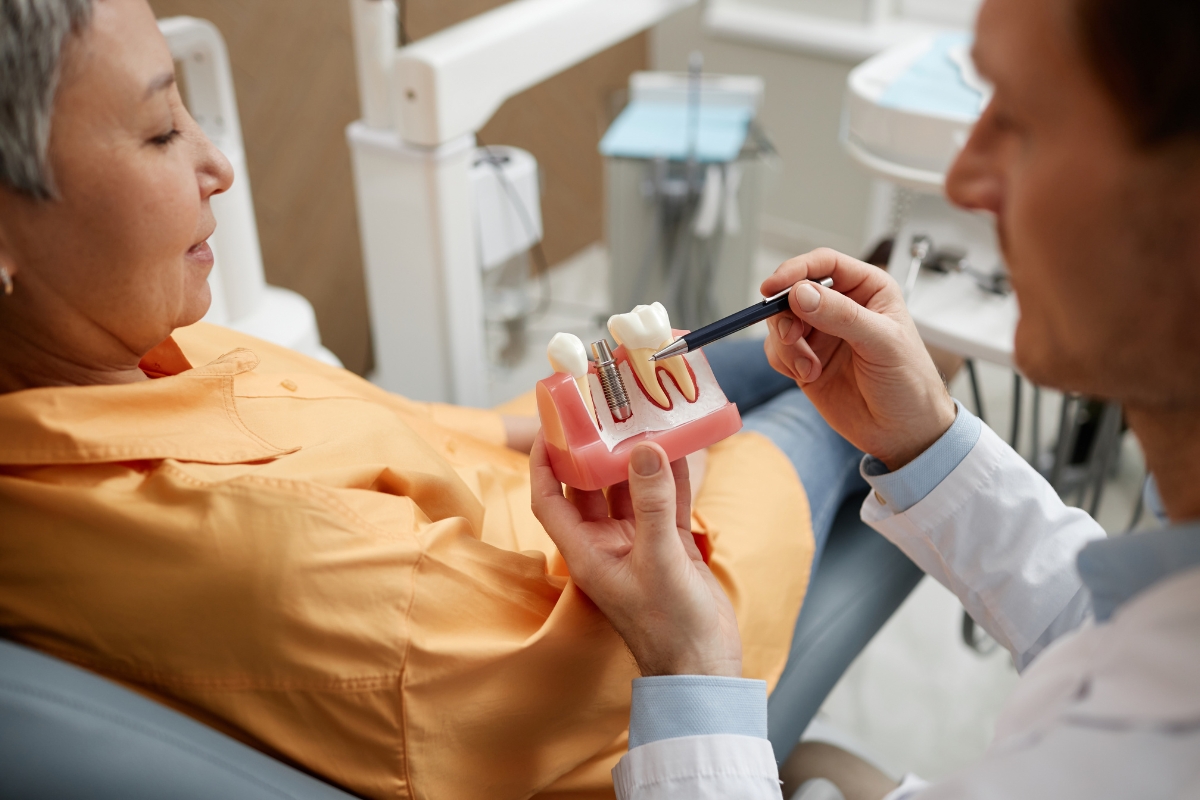
Dental implants are built to feel and function like natural teeth, so it is natural to wonder if they can develop cavities. Many people ask this after treatment or while considering their options. The short answer is no, they do not decay. However, that does not mean they are maintenance-free. If you have been researching permanent tooth replacement options or planning to restore missing teeth in Falcon, understanding how implanted teeth behave over time is essential. This guide explains the facts, clears up confusion, and shows how to protect your smile for years to come.
Can Cavities Form Around Dental Implants?
The implant itself cannot develop cavities because it is made from materials that do not decay like natural enamel. However, the surrounding gum tissue and nearby natural teeth still remain vulnerable to bacterial buildup and infection.
Bacteria can accumulate along the gumline near the post, especially when plaque is not consistently removed. Over time, this buildup may lead to gum inflammation or peri implant infections that can affect the stability of a dental implants in Falcon. In some situations, the attached crown may also be damaged, creating spaces where bacteria can settle and making it difficult to clean properly.
This is why strong oral hygiene habits and regular professional care remain essential, even with permanent tooth replacement solutions.
What Makes Prosthetic Teeth Resistant To Cavities?
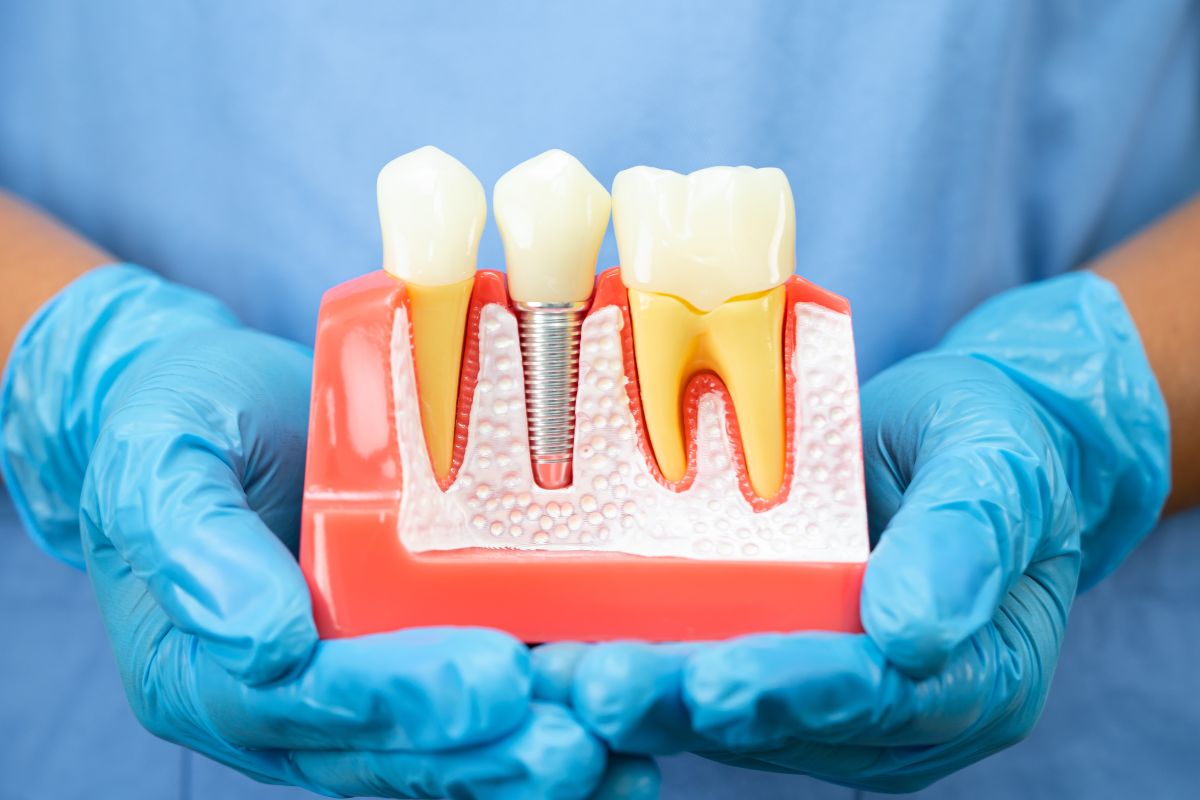
These restorations are made using titanium posts and durable ceramic or porcelain crowns. Unlike natural teeth, these materials do not contain enamel or dentin. Cavities form when bacteria produce acids that break down tooth structure. Since they lack this organic composition, decay cannot occur. However, while they can resist cavities, they do not protect against gum disease or infection. This is where many people misunderstand their care needs.
What Warning Signs Should You Never Ignore?
Even without cavities, issues can still develop around your prosthetic teeth. Watch for:
- Swelling or bleeding near the gumline
- Pain while chewing or biting
- Persistent bad taste or odor
- Movement or looseness of the restoration
These signs may indicate peri-implant disease rather than decay. Early evaluation helps prevent more serious complications.
What Is The Real Risk Around Prosthetic Teeth?
While cavities are not a concern for artificial tooth roots, the real risk lies in the health of the tissues supporting the treatment. Neglecting oral hygiene can lead to two conditions:
- Peri-Implant Mucositis
This is the early stage of inflammation around the implant’s gum tissue. It can cause redness, swelling, and bleeding, but with proper care, it’s often reversible. - Peri-Implantitis
A more advanced condition, peri-implantitis, affects the bone supporting the restoration. If left untreated, it can lead to bone loss and threaten the stability.
Both conditions are caused by plaque buildup. It is similar to gum disease around natural teeth, highlighting the importance of maintaining good oral hygiene to protect your new tooth’s health.
How Does Oral Hygiene Impact Implant Longevity?
One of the most common causes of complications is inconsistent oral care. Even though they do not decay, bacteria still attach to oral surfaces.
When plaque hardens into tartar, it creates an environment where infection can develop. This can lead to inflammation and bone damage around the oral prosthesis. Studies in periodontal research continue to show that poor hygiene significantly increases the risk of peri-implant disease.
Maintaining a consistent routine is key to protecting both your dental work and natural teeth.
How Can You Care for Implant-Supported Teeth Properly?
Daily care plays a major role in long-term success. Here are essential habits:
- Brush Consistently: Use a soft-bristle toothbrush twice daily. This removes plaque and supports gum health.
- Clean Between Teeth: Flossing or using interdental tools helps remove debris from areas a toothbrush cannot reach.
- Use Antibacterial Rinse: A quality mouthwash helps reduce bacteria and support healthy gums around the restorative work.
- Schedule Routine Visits: Regular dental checkups help detect early signs of inflammation or structural concerns.
- Be Mindful of Diet: Avoid chewing ice or very hard foods that may damage crowns or restorations.
These steps help maintain both appearance and function over time.
What Happens If Implant Care Is Ignored?
Neglecting oral hygiene can lead to serious complications. Infection around the dental work may cause swelling, bleeding, and discomfort. If untreated, it can progress to bone loss and eventually lead to implant failure. In advanced cases, the post may need to be removed and replaced.
In addition, untreated gum disease can affect surrounding natural teeth, increasing the risk of tooth loss and further restorative needs. Consistent care is the most effective way to avoid these outcomes.
How Does Life In Falcon Affect Your Implanted Teeth?
Living in Falcon brings unique challenges and benefits for your oral health. With an active outdoor lifestyle and seasonal weather changes, habits in this region can influence the longevity of your dental work.
The dry air and higher elevation in this area can reduce saliva flow, which is essential for washing away food particles and bacteria. With less saliva, bacteria can thrive more easily around the gums and surrounding tissues. This becomes especially important for patients with a dental implant in Falcon, since healthy gum support plays a major role in keeping the dental work stable and successful long term.
Additionally, seasonal changes, especially the colder months, can make gums more sensitive. Dry, cold air can irritate the gum tissue, particularly around artificial tooth roots. This may affect the healing process if you’ve recently had restorative work done. Staying hydrated and being mindful of these environmental factors will help ensure your artificial tooth roots remain in good condition for years.
Are Dental Implants Worth The Long-Term Commitment?
For many people, this dental restoration offers a stable, natural-feeling solution for missing teeth. They support chewing, improve appearance, and help maintain bone structure.
However, their success depends on proper care and routine monitoring. When maintained correctly, they can last for many years and support overall oral health. Patients often explore options like how to maintain dental implants long term or the best oral hygiene for dental implants after surgery. Understanding these aspects helps ensure better outcomes.
Protect Your Smile With The Right Approach
Getting a dental implant in Falcon is often a long term investment in both comfort and confidence. While the post itself cannot develop cavities, the health of the surrounding gums still determines how successful and stable the restoration remains over time. Healthy gums, clean surfaces, and regular checkups are also essential for long term success.
If you have been considering this treatment for your missing tooth concern or want to ensure your current restoration stays in excellent condition, professional guidance makes a difference. A personalized care plan can help protect your investment and keep your smile functioning at its best. Visit at East Side Modern Dentistry in Falcon today to learn how to care for your dental implants properly and maintain a healthy, confident smile for years ahead.
Frequently Asked Questions (FAQs)
1. Can bacteria still affect dental implants even though they don’t decay?
Bacteria can accumulate around an implant’s base and trigger inflammation of the surrounding gum tissue, similar to gum disease. This buildup can harm supporting tissue and bone if not managed with proper hygiene.
2. Is it possible for gum disease to impact the long‑term success of a dental implant?
Yes, inflammatory conditions like peri‑implantitis can damage the bone and tissue around the dental post, compromising its stability over time. These conditions are driven by bacterial plaque and poor hygiene.
3. Do dental implants require special cleaning routines compared with natural teeth?
They don’t require specialized cleaning products. However, meticulous brushing and flossing help prevent bacterial buildup and protect soft tissue. Professional maintenance complements home care.
4. Can the material of a dental implant influence its susceptibility to damage?
Implant crowns are crafted from non‑porous materials like ceramic or porcelain that resist decay, unlike natural enamel, which can be eroded by acids. However, surrounding tissues still require protection.
5. What role does plaque control play in implant health if cavities aren’t a risk?
Plaque control is vital to prevent peri‑implant mucositis and more advanced tissue damage, as bacteria can irritate gums even when implant components don’t decay. Effective plaque removal supports stability.
Unable to locate Global Block : 4932