


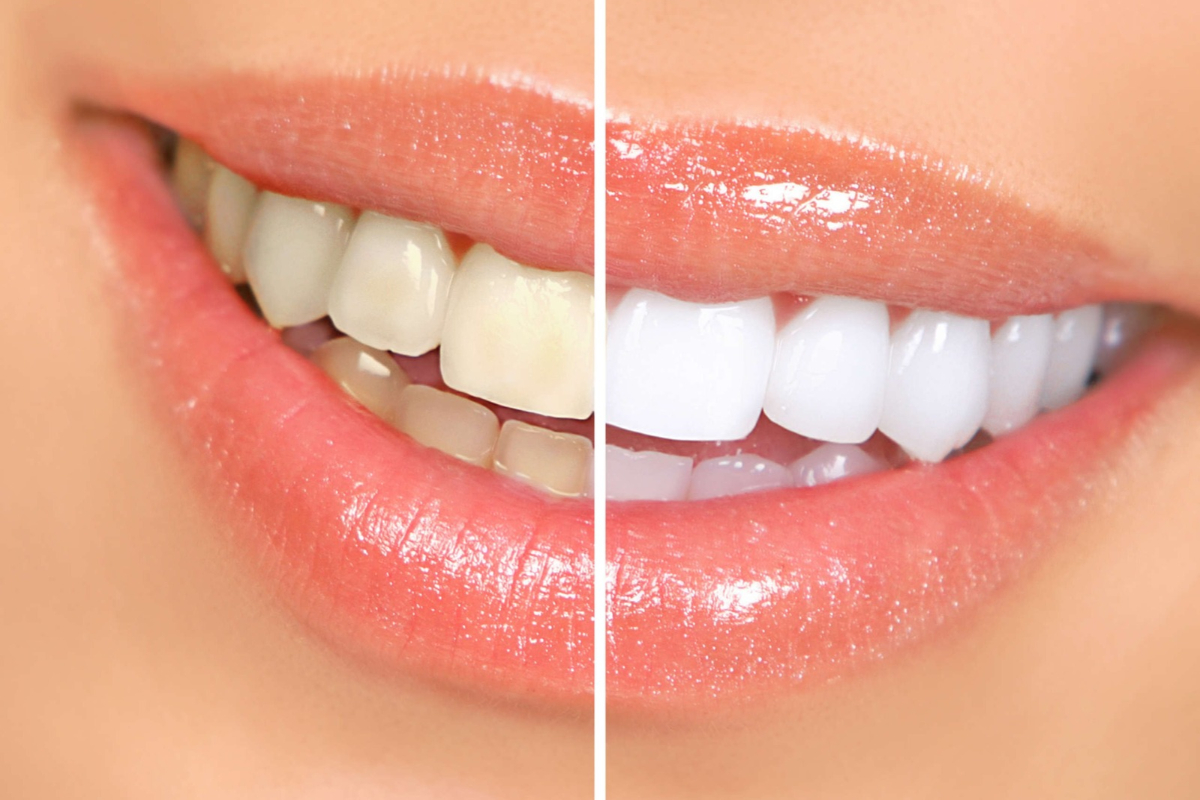
A brighter smile can boost your confidence, but keeping your teeth looking their best takes more than completing a whitening treatment. If you have invested in professional teeth whitening in Falcon, simple daily habits can help maintain your results and protect your oral health.
Teeth naturally become stained over time. Coffee, tea, red wine, tobacco, certain foods, aging, and other factors can gradually change your teeth’s color. Professional whitening can reduce many types of discoloration, but it does not make teeth permanently resistant to future stains. Working with a dentist in Falcon can help you choose an appropriate whitening approach and understand how to maintain your results.
Give Your Teeth Time to Settle After Whitening
The first couple of days after whitening are an important time to be mindful of what you eat and drink.
The teeth whitening guidance provided by this practice recommends avoiding stain-prone foods and drinks for 48 hours after treatment. Coffee, tea, red wine, tomato-based sauces, and tobacco can contribute to staining, so limiting them immediately after whitening can help protect your new shade.
You may also experience temporary sensitivity after whitening. If that happens, using a toothpaste designed for sensitive teeth may help make the first few days more comfortable.
Be Careful With Coffee and Tea
For many people, giving up coffee or tea completely is not realistic. The goal is to be mindful of how frequently you consume beverages that can stain teeth.
The American Dental Association identifies coffee and tea as common sources of tooth staining because they contain pigments that can attach to enamel.
If you enjoy these drinks, consider reducing how often you consume them. Drinking water afterward can also help rinse away residue. Maintaining good oral hygiene is another important part of keeping your smile looking clean.
Avoid Tobacco Products
Tobacco is one of the biggest enemies of a bright smile.
Smoking can cause yellow or brown staining on teeth, and tobacco use can make whitening results less noticeable or less durable over time. Tobacco also has serious effects on your gums and overall oral health.
If you use tobacco, talking with a healthcare professional about quitting can benefit much more than the appearance of your smile.
Maintain Good Daily Oral Hygiene
A whitening treatment does not replace your normal dental routine.
Brush twice a day with fluoride toothpaste and clean between your teeth once a day. This helps remove plaque and food particles that can contribute to discoloration and dental problems.
Your dentist may also recommend specific oral care products based on your teeth and sensitivity level.
A consistent routine is much more effective than trying to correct stains after they have already built up.
Schedule Regular Dental Checkups
Professional cleanings can help remove surface buildup and allow your dentist to monitor your teeth and gums.
Regular visits also give your dentist an opportunity to identify cavities, gum problems, worn enamel, or other concerns that may affect the appearance of your smile.
If you are maintaining whitening results, routine visits can also help determine when a touch-up may be appropriate.
Do Not Overuse Whitening Products
It can be tempting to use whitening products repeatedly when you notice your teeth becoming slightly darker.
More whitening is not always better.
The American Dental Association notes that overuse of whitening products can cause problems such as tooth sensitivity and gum irritation. Following the recommended instructions and discussing whitening with your dentist can help you avoid unnecessary problems.
If you are considering an over-the-counter whitening product, look for products with the ADA Seal of Acceptance and ask your dentist whether the product is appropriate for you.
Watch What You Eat
Certain foods and drinks can contribute to staining, especially when consumed frequently.
Coffee, tea, red wine, tomato-based sauces, berries, and strongly colored foods may affect tooth color over time. You do not necessarily have to eliminate these foods from your diet. Instead, moderation and good oral hygiene can help.
Drinking water with meals and after strongly colored foods can help rinse your mouth. Brushing and cleaning between your teeth regularly can also help keep your smile fresh.
Remember That Whitening Does Not Change Every Tooth
Whitening works best on certain types of natural tooth discoloration. It does not whiten dental restorations such as crowns and some other restorative materials in the same way it whitens natural teeth.
This is one reason a dental evaluation is important before treatment. The teeth whitening page for this practice notes that patients with extensive restorations such as crowns and veneers should consult the dental team before choosing a whitening approach.
Your dentist can assess the cause of discoloration and help determine the most appropriate treatment.
Manage Tooth Sensitivity
Some people experience temporary sensitivity after whitening.
If your teeth feel sensitive, avoid extremely hot or cold foods and drinks for a short period. A toothpaste formulated for sensitivity may also be helpful.
If sensitivity is severe, lasts longer than expected, or was present before whitening, talk with your dentist. Sensitivity can sometimes be related to cavities, gum recession, worn enamel, cracked teeth, or other dental concerns that should be evaluated.
Consider Periodic Touch-Up Treatments
Whitening results are not permanent because your teeth continue to be exposed to foods, drinks, and other sources of discoloration.
How long your results last depends on your diet, oral hygiene, tobacco use, whitening method, and other individual factors.
Periodic touch-up treatments may help maintain the shade you prefer. Your dentist can recommend when a touch-up is appropriate, rather than relying on frequent at-home whitening.
How to Keep Your Smile Bright Long Term
Maintaining your whitening results does not require an unrealistic routine. Focus on habits you can consistently follow.
- Brush twice a day.
- Clean between your teeth every day.
- Drink water regularly.
- Limit frequent exposure to staining foods and drinks.
- Avoid tobacco products.
- Keep up with routine dental visits.
- Follow your dentist’s recommendations for whitening touch-ups.
- These habits support both the appearance of your smile and your overall oral health.
When to Talk With a Dentist About Whitening
If your teeth have become noticeably darker again, don’t immediately assume you need another whitening treatment. New discoloration can sometimes be related to plaque buildup, a cavity, gum problems, enamel changes, trauma, or another dental concern.
A dental evaluation can help identify why your teeth changed color and determine whether whitening is the right solution.
For patients considering teeth whitening in Falcon, a personalized approach can provide better guidance than simply choosing the strongest product available.
Maintaining a brighter smile after whitening comes down to consistent habits and professional guidance. To protect your results, limit staining foods and drinks, avoid tobacco, maintain daily oral hygiene, and keep regular dental visits. If you are considering teeth whitening in Falcon or need advice about maintaining your current results, request an appointment to discuss the best approach for your smile.
Frequently Asked Questions
How long do teeth whitening results last?
The answer varies from person to person. Diet, oral hygiene, tobacco use, age, and the type of whitening treatment can all affect how long results remain noticeable.
Can I drink coffee after teeth whitening?
You can, but coffee can stain teeth. Your dental team may recommend avoiding it during the first 48 hours after whitening and limiting frequent exposure afterward.
How often should I whiten my teeth?
There is no single schedule that works for everyone. Your dentist can recommend touch-up treatments based on your whitening method, tooth sensitivity, and your teeth’s condition.
Why are my teeth sensitive after whitening?
Temporary sensitivity can occur because whitening agents can affect the tooth structure and irritate the nerves. If sensitivity is severe or persistent, contact your dentist.
Can whitening damage my teeth?
When used appropriately, professional whitening can be a safe cosmetic treatment. Overuse or improper use of whitening products can increase the risk of sensitivity or gum irritation.
Will whitening work on crowns or veneers?
Whitening primarily affects natural tooth structure and does not whiten restorations in the same way. If you have crowns or veneers, discuss your goals with your dentist before whitening.

