


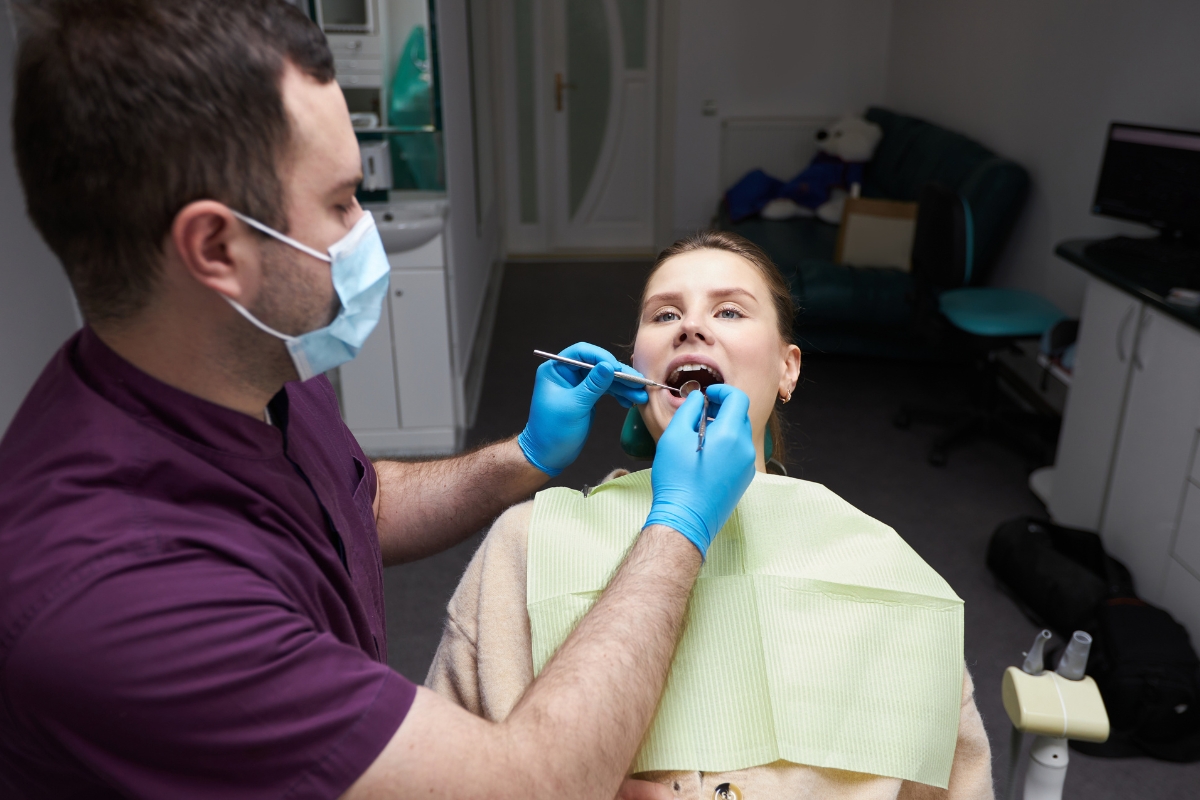
Tooth gems have exploded across social media feeds, selfies, and celebrity smiles. What looks like a tiny crystal attached to a tooth may seem harmless at first glance, but many people find out that not every tooth gem application is actually safe. Behind the sparkle, there is growing concern among dental professionals about at-home kits, unsafe adhesives, and low-quality materials that can permanently damage enamel.
Many DIY kits promise quick application in front of a bathroom mirror. However, what they rarely explain is that craft glues, jewelry adhesives, and non-dental metals are never designed for long-term contact inside the mouth. Once enamel becomes damaged, the effects may not be reversible. That is why more patients searching for this procedure choose professional dental placement over risky at-home application trends.
At East Side Modern Dentistry, the focus is on merging high-end cosmetic trends with rigorous clinical safety standards. Dr. Andre Shook leads the practice with a commitment to restorative excellence, ensuring that every cosmetic enhancement is backed by a deep understanding of dental anatomy. By prioritizing biocompatible materials and professional bonding techniques, the team provides a safe, sophisticated alternative to the risky online trends.
However, in this blog, you will get to know the critical differences between professional applications and DIY risks, ensuring that a sparkling smile remains a healthy one.
Why DIY Tooth Gem Kits Are Becoming a Serious Concern
Most at-home tooth gem kits are marketed as beauty accessories rather than dental products. That distinction matters more than most people realize.
Many kits sold online include:
- Craft adhesives
- Nail glue
- Non-medical bonding agents
- Cheap metal backings
- Decorative rhinestones not approved for oral use
These products are not manufactured to withstand moisture, bacteria, chewing pressure, temperature changes, or prolonged contact with enamel.
Once unsafe glue touches the tooth surface, several problems can develop:
Enamel Damage
Improper bonding materials can weaken or roughen enamel. Some DIY users attempt to file or etch the tooth before applying the gem, which permanently removes healthy enamel structure.
Chemical Irritation
Craft glues may contain chemicals that are not intended for oral use. This can irritate the gums, inner cheeks, and soft tissues surrounding the tooth.
Plaque and Bacteria Accumulation
Poorly placed gems create uneven surfaces where plaque easily collects. Over time, this can increase the risk of:
- Tooth decay
- Gum inflammation
- Bad breath
- Staining around the gem
- White spot lesions
Metal Allergies and Reactions
Some inexpensive gems contain unknown metal alloys. These materials may trigger irritation or allergic reactions inside the mouth.
Professional dental placement helps avoid these risks by using dental-grade materials specifically designed for safe enamel bonding.
What Makes Professionally Applied Tooth Gems Different?
A professional application by a trusted cosmetic dentist in Flacon is completely different from the DIY tutorials.
At our dental practice, these tooth gems are applied using dental-grade bonding materials similar to those trusted in restorative dental procedures. The process is carefully designed to preserve the natural tooth surface while providing secure placement.
Unlike home kits, professional placement focuses on:
- Enamel protection
- Safe bonding techniques
- Sterile application
- Precise positioning
- Long-term oral health
Most importantly, no drilling or injections are involved during the procedure.
How Professional Placement Works
One reason professionally applied gems continue gaining popularity is that the process is simple, painless, and minimally invasive.
Step 1: Consultation and Smile Planning
The appointment begins with an evaluation of the tooth surface and placement area. Not every tooth is ideal for cosmetic bonding.
The dental team discusses:
- Preferred gem style
- Size options
- Placement location
- Bite alignment
- Oral hygiene habits
This step helps ensure the gem looks natural and does not interfere with normal chewing or flossing.
Step 2: Cleaning and Surface Preparation
The selected tooth is carefully cleaned and dried.
Professional preparation matters because even tiny traces of moisture or plaque can weaken the bond. The surface is prepared without damaging healthy enamel.
No drilling is required. No enamel removal is involved.
Step 3: Dental Grade Bonding
A dental bonding agent and composite material are used to secure the gem safely to the tooth surface.
This is one of the biggest differences between professional care from a trusted cosmetic dentist in Falcon and DIY kits. Dental bonding materials are specifically developed for safe oral use and long-term enamel compatibility.
Step 4: Precise Placement and Final Check
The gem is carefully positioned for appearance, comfort, and durability.
Once placement is complete, the surrounding area is polished to create a smooth finish that feels comfortable inside the mouth.
The entire process is quick and painless. Patients typically leave the office immediately after treatment with no downtime required.
Are Tooth Gems Safe?
Professionally applied ones are generally considered safe when placed correctly and maintained properly.
The biggest safety factor is not necessarily the gem itself. It is the method used to attach it.
Dental professionals focus on preserving enamel integrity while ensuring the surrounding area remains easy to clean. Problems are far more likely to occur when gems are applied by untrained individuals using unsafe materials or improper bonding methods.
Patients with good oral hygiene and healthy enamel are often strong candidates for cosmetic gem placement.
However, tooth gems may not be recommended for patients with:
- Active cavities
- Gum disease
- Heavy teeth grinding
- Poor oral hygiene
- Weak enamel
- Untreated orthodontic issues
A professional evaluation helps determine whether placement is appropriate.
How to Care for Tooth Gems Without Damaging Your Teeth
Maintenance plays a major role in keeping both the gem and the surrounding tooth healthy. Fortunately, proper care is usually straightforward.
Brush Carefully but Thoroughly
Continue brushing twice daily using a soft-bristle toothbrush.
Avoid aggressively scrubbing around the gem, since excessive force may weaken the bond over time.
Floss Gently Around the Area
Many people worry that flossing will dislodge the gem. In reality, proper flossing is important for preventing plaque buildup around the attachment site.
Instead of snapping floss upward against the gem, gently slide the floss out sideways after cleaning between the teeth.
Avoid Extremely Hard Foods Initially
Hard candy, ice chewing, and sticky foods may place unnecessary pressure on the gem shortly after placement.
When you choose our dental practice for the procedure, we recommend monitoring the area and scheduling a check if the gem feels loose.
Why Professional Removal Matters Just as Much as Placement
One of the most overlooked risks of DIY is removal.
Many people attempt to pry off gems at home using tweezers, nail tools, or scraping devices. This can permanently scratch enamel or leave adhesive residue behind.
Professional removal is far safer.
A licensed dental professional can:
- Remove the gem carefully
- Eliminate bonding residue
- Polish the enamel smoothly
- Inspect the tooth surface afterward
This helps preserve the natural appearance and texture of the tooth once the gem is removed.
Protecting Your Smile While Still Expressing Your Style
Even though these oral appliances may look small, the way they are applied can make a major difference in the health of your smile. DIY kits often hide serious risks behind trendy marketing, especially when unsafe adhesives and non-dental materials are involved. Professional placement provides a far safer approach that protects enamel while still delivering the cosmetic look patients want.
At East Side Modern Dentistry in Falcon, Dr. Andre Shook and the team focus on safe, minimally invasive cosmetic treatments designed around patient comfort and long-term oral health. If you have been considering tooth gems and want professional guidance instead of risky online kits, scheduling a consultation can help you make a confident and informed decision. Book an appointment today and learn how safe cosmetic bonding can add sparkle to your smile without compromising your teeth.
Frequently Asked Questions (FAQs)
Are professionally applied tooth gems permanent?
No. Tooth gems are semi-permanent cosmetic accessories. They can last for months or longer, depending on placement, eating habits, and oral hygiene. A dental professional can also safely remove them without damaging the tooth surface.
Can tooth gems damage enamel?
Professionally applied gems generally do not damage enamel when proper dental bonding techniques are used. Damage is more commonly associated with DIY kits, unsafe adhesives, or improper removal attempts at home.
Do tooth gems hurt during placement?
The process is usually painless. Professional placement does not involve drilling, injections, or enamel removal. Most patients describe the procedure as quick and comfortable.
Can you brush and floss normally with a tooth gem?
Yes. Regular brushing and flossing remain important. Patients should floss carefully around the crown and maintain good oral hygiene to prevent plaque buildup near the bonded area.
How are professional tooth gems removed?
A dental practitioner uses specialized tools and polishing techniques to safely remove the gem and any remaining bonding material while protecting the natural enamel underneath.
Are DIY tooth gem kits safe?
Many DIY kits use non-dental adhesives and materials not intended for oral use. These products may increase the risk of enamel damage, gum irritation, plaque buildup, and bacterial accumulation.
Who is a good candidate for tooth gems?
Patients with healthy teeth and good oral hygiene are often good candidates. A dental evaluation helps determine whether the tooth surface and surrounding gum health are appropriate for cosmetic bonding.
Related Articles

Unable to locate Global Block : 4932